The Gift of Difference

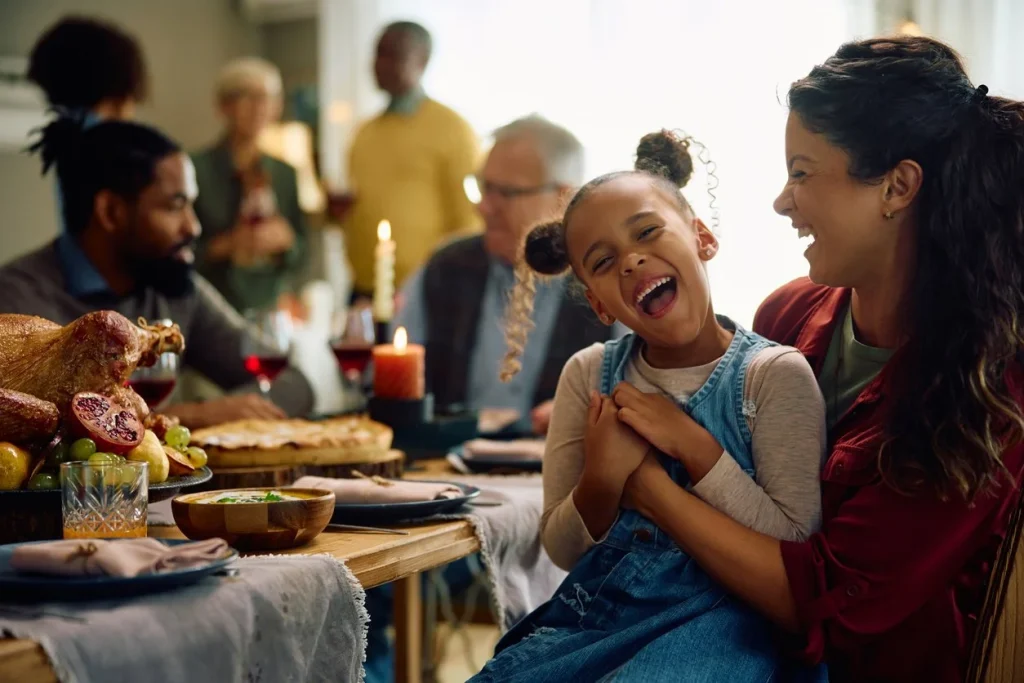
Family gathered around a holiday dinner table with a joyful child

Here we are in November, hurtling into the holiday season. For many reasons, this season brings a multitude of emotions and relationships, in its most ideal form, a sense of togetherness. Yet multiracial families raising Black children, the season can surface particular complexities. The experience of othering, of being marked as different by the outside world, is not an abstract concept but a lived reality. In our simple society, there’s a pervasive practice of assessing value based on difference: if I believe differently than you, or light my candles on a different day, somehow one must be deemed “most” important. This is unfortunate, yet easily remedied.

For white families raising children who identify as Black, it is of utmost importance to foster self-love in your child. I believe it is helpful to do so in an introduction and practice of diasporic appreciation for expression. Expression of love, togetherness, family, triumph, and loss. To be Black in this world is to be of the world. This is a pride sometimes lost in the here and now. However, I encourage you to always remember and foster in your child knowledge of a larger connectedness throughout the world. This isn’t something you must perfect yourself, but something to witness and encourage through exposure, knowledge, and a total absence of judgment about what is “good” or “better.”

Consider art, for example. True art in its purest form is simply free creation, the absence of fear. To create freely is to express without the constraint of perceived limits. If we engage only the left side of our brain and never access the right, we become stifled. Black children need to know that celebrations this season reflect diverse global stories of struggle, renewal, and joy that connect all of humanity. Whether Diwali, Hanukkah, Christmas, Eid, or Kwanzaa. Each represents a narrative of perseverance and hope. They may be religious in form, and that’s okay. You don’t have to join a religion to appreciate its story. Understanding how each narrative connects humankind; that’s the story to be told.

You don’t have to practice a tradition to appreciate what it brings to your community. The holiday season need not be reduced to only your family’s experience. Additionally, engagement doesn’t require wealth or extensive resources. It can be as simple as reading a library book about a celebration together, watching a documentary, or having a conversation with neighbors. Explaining each element of a holiday without judgment: the good, the bad, and the controversial allows your child to appreciate diversity, possibility, creativity, and storytelling. This includes difficult truths: discussing “Thanksgiving” alongside the National Day of Mourning honors the complexity of American history and teaches that honest storytelling matters more than comfortable mythology.

Your child’s critical thinking will flourish when asking questions and seeing differences as normal and expected, fostering ease and openness. Practice whatever traditions your family holds dear, of course. However, when others are celebrating, learn a little about it. If you have the means, discover where celebrations are being held to donate, contribute, or simply appreciate. Share stories with enthusiasm, respect, joy, and curiosity.

Your role is to ensure your child develops both strong individual identity and deep connection to broader humanity. We are different, and we are one. That’s the season’s lesson.
Co-Parenting After a Separation or Divorce

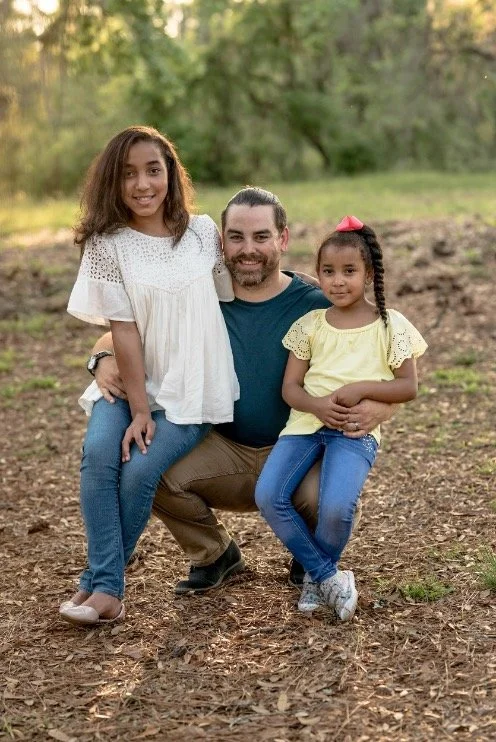
Two parents and their daughter smiling together outdoors

Going through a separation or a divorce can be traumatic for both children and parents. You may be navigating feelings of grief, anger, disappointment, or maybe even ease, freedom, and joy. Children and adults have many different feelings and that is okay.

When I was teaching, I often supported families as they navigated a transition from parenting together in one house to co-parenting in different households. I reminded families that children are resilient and there were ways to support them through the process.

Families are also resilient! Caring for yourself and holding your family in your heart will help guide you in making helpful, hopeful decisions for your loved ones.

Lean into your support network for help managing your emotions. Find a trusted counselor who can help you through this process. By caring for yourself, you will model important habits for your children. You will also be a stronger, more present parent if you can maintain your focus on your children’s needs when you are with them.

There are tools you can use to put your child at ease and build their resiliency as you move through this transition.

Focus on the positive moments

Talk with your children openly about the strength of your family. When processing a traumatic event in my life, I learned the phrase, “Strength comes from love.” This has become my mantra when facing challenges large and small. Remembering my love as my source of strength becomes powerful.

We must learn to accept things out of our control (while working toward improving them, if possible). We cannot be positive about everything, of course. It is important to acknowledge our true feelings and deal with them. But try to reframe things when you can. As Neil Barringham says, “The grass is greener where you water it.” This is a time for radical acceptance.

Build a social network

Find people who care for you, share your joy, and listen to your struggles. Realize that each family member will need people for these roles. Help your children connect with counselors, teachers, cousins, and friends.

You may need to seek out new or different resources as you navigate new economic situations and possible new legal territory. There is no shame in asking for help. You are caring for yourself and your family and allowing others to do the same.

Teach your child healthy ways to process their feelings

Even if the separation happened a while ago, kids may unknowingly have feelings of resentment or abandonment that it might help them to work through. Try the “Rewind, Remind” technique adapted from The Whole-Child Brain to go back through a stressful story and retrain your mind to think differently about a situation.

Talk through a stressful event and tell your child that they can pause the story whenever they would like to by saying “pause.” They can fast-forward to another part of the story until you arrive at the end when there is some closure. Then, go back to a part of the story that was skipped and talk through why that part was difficult.

Notice any physical changes – increased heart rate, shallow breathing, etc. and talk your child through calming exercises. Breathe deeply together.

When calm and processing the challenging parts of the story, you are telling your brain that you are safe, even though this hard thing happened to you. This resiliency-building exercise can be used for all kinds of difficult life events or future challenges you’re anticipating.

Show interest in your child’s life

Ask about how they spent their days apart from you. First, center yourself so that your conversations are genuine and do not seem that you are digging for information about their other parent.

Ask open-ended questions such as: What was the best part of your day? What was your not-the-best part? (Some families call this the Rose and Thorn or Highs and Lows). If you are not getting many details back from your child, try questions such as: Did you go anywhere in the car? What did you do after lunch?

Or you can play games such as Guess Which is Real. Your child can tell you two things that happened and one they make up. Your job is to guess which is which. This is a fun way to cultivate connections and build your child’s ability to remember and recall.

Maintain consistent boundaries and expectations at both homes

Kids thrive with structure and routine. As best as you can, talk with your co-parent about what expectations are important to keep in place at both homes. Try to maintain consistent guidelines and routines.

Just as your marriage or partnership did not fail, it just completed its time, your family is not broken; it is evolving. As difficult as this period may be, know that you are not alone. Many other couples have had to navigate this transition and you will also. Keeping your children’s needs as priorities will help guide you through this time.

Supporting The Rights of Children

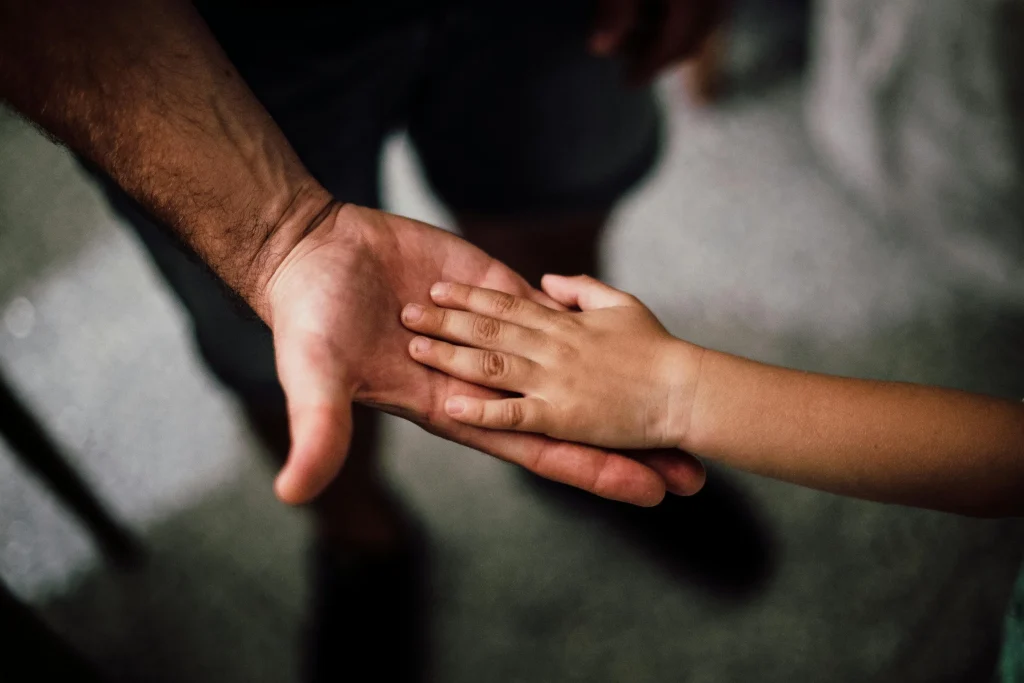
Adult and child's hands touching, symbolizing trust and protection

Over the summer, my son and I had an opportunity to tour the United Nations Headquarters in New York City. More than 65 years ago, the United Nations adopted the Declaration of the Rights of the Child, laying out a vision for the rights that each and every child should have. (You can find out more about how the United Nations has been considering the needs and rights of children.)

I like to refer to the shortened list below:

The Rights of Children are:

  • To be kept safe

  • To avoid unnecessary discomfort

  • To have their possessions treated as their own

  • To be treated fairly

Children begin to develop self-esteem from birth and need to have a strong sense of connection to engage well with others. It’s especially important that these relationships are built on mutual respect. A relationship of mutual respect means that it is just as important for an adult to treat the child with respect as it is for the child to treat the adult with respect.

Mutually respectful relationships feed into a child’s developing sense of self-worth. Children learn to evaluate themselves based upon the information they have gathered in their daily exchanges with the adults who care for them. Over time, a child creates a positive or negative judgment of self-worth, which has a long-term impact on their self-esteem and self-confidence.

A common way that children develop low self-worth is through disrespectful punishments. The acts of inflicting pain, loss or suffering as a penalty for unwanted behavior are considered inappropriate punishment. More than just being disrespectful, this form of punishment violates the basic rights of children. For more information on this please refer to the free article Effective Discipline to Raise Healthy Children on the American Academy of Pediatrics website. Children need love, security, and affection, along with consistent boundaries and structure for emotional and physical safety.

How as parents should we respond to unwanted behaviors while giving our children the respect they deserve?

When undesirable behavior occurs, your discipline efforts should seek to address the cause of the behavior, and to teach the child a new, replacement behavior.

  • Try to discover the cause of the behavior.

  • Choose a strategy that treats the cause of the behavior (such as a child’s lack of skill in entering play), rather than the symptom (perhaps the child pushed another child during play). Can you communicate how the child should have behaved in that situation?

  • Put your strategy into action.

  • Reflect. Was it effective? Did it stop or minimize behavior while still protecting your child’s rights?

You may want to tailor your approach to your child’s age and stage of development, when needed. When in doubt, remember that children also benefit from seeing positive role models who demonstrate good behavior and healthy habits.

Most importantly, children need to feel loved and cherished unconditionally, which builds their self-esteem and confidence. Supportive caretakers help children build confidence by encouraging their efforts, not just their successes. As caring adults, we can support children learn and grow by using positive approaches in our relationships with them each day.

Affection can be shown through physical touch, positive attention, and emotional support. Quality time spent talking, playing, and engaging in activities with a parent is vital for healthy development and strengthening relationships.

I would encourage everyone to do their best to understand, promote, and defend children’s rights and support their growth with respectful, loving limits.

Keep Halloween Spooky, Not Harmful

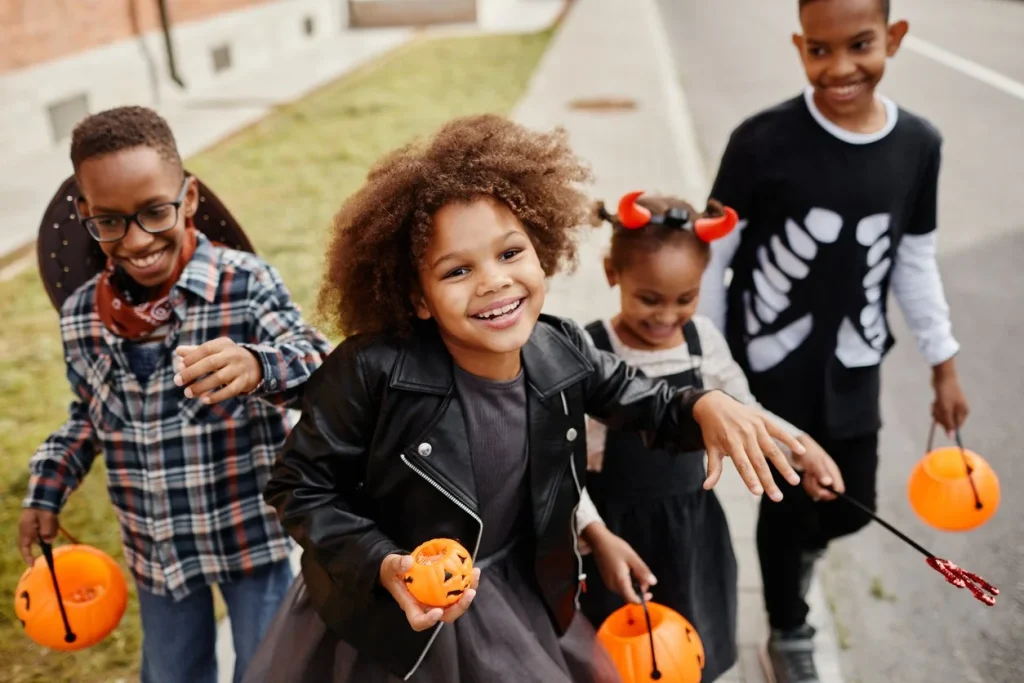
Children in Halloween costumes trick-or-treating with pumpkin buckets

If you follow my work, you know that in all of my endeavors my focus is to reduce harm. There’s no way to eliminate harm but when you know better you can certainly do better and that gesture alone can ripple into a cascade of awareness and kindness for our collective communities. During all holidays, I find this to be even more important, as during this time of year we want to focus on positive collective impact and not uniformed practices that rely on bypassing burden.

Let us remember that Halloween can be magical for children. From their first costume as babies; dressed as pumpkins with orange cheeks and tiny leaf head pieces, or as adorable kittens and witches, to their excited trick-or-treating years, in the United States this holiday centers around childhood enjoyment. I personally love to see the creativity of each person who comes to my door. If it aligns with your family’s values, there’s nothing wrong with celebrating Halloween. However, as we approach Halloween 2025, it’s crucial for all parents to understand which practices cause real harm.

In American tradition, October 31st marks when the veil between our world and the spirit world grows thin. The custom of scary decorations and costumes originally served a purpose: to blend in with wandering spirits so they wouldn’t target your home or family. Children dress as frightening creatures to disguise themselves from actual threats that are now “among us”. Keeping this in mind, may help clarify why using someone else’s identity or culture as your “shield” is inappropriate.

Lets break down some simple examples:

  1. Painting your child’s skin black or brown is never acceptable. This practice has deep historical roots in minstrelsy, which depicted Black people as unintelligent performers existing for white entertainment. No character requires darkening skin to complete a costume when done respectfully.

  2. Afros are not costumes—they’re natural hair that grows from people’s bodies worldwide. Wearing disheveled afro wigs perpetuates harmful stereotypes that cast Black hair as “unkempt,” “unprofessional,” or “wild” when worn naturally, and beautifully by Black people ourselves.

  3. Deities, religious figures, and cultural identities are not props. Hindu priests, Indian goddesses, Egyptian royalty, and historical figures like the Queen of Sheba are deeply meaningful to millions of people daily and around the world. They’re not tools to “scare away demons” or entertainment for Halloween night.

Halloween offers endless creative possibilities: zombies, witches, vampires, scarecrows, spiders, ravens, ogres, ghosts, skeletons, and countless other spooky creatures. Focus on these traditional elements rather than appropriating identities, cultures, or appearances that aren’t yours to wear for fun or entertainment. Teaching your little ones to stay within the moment

Let’s keep Halloween about children’s laughter, spooky fun, and candy bags they won’t want to share, while ensuring everyone can celebrate and we can actively reduce racial and cultural harm at the same time.

The Value of Parenting Supports

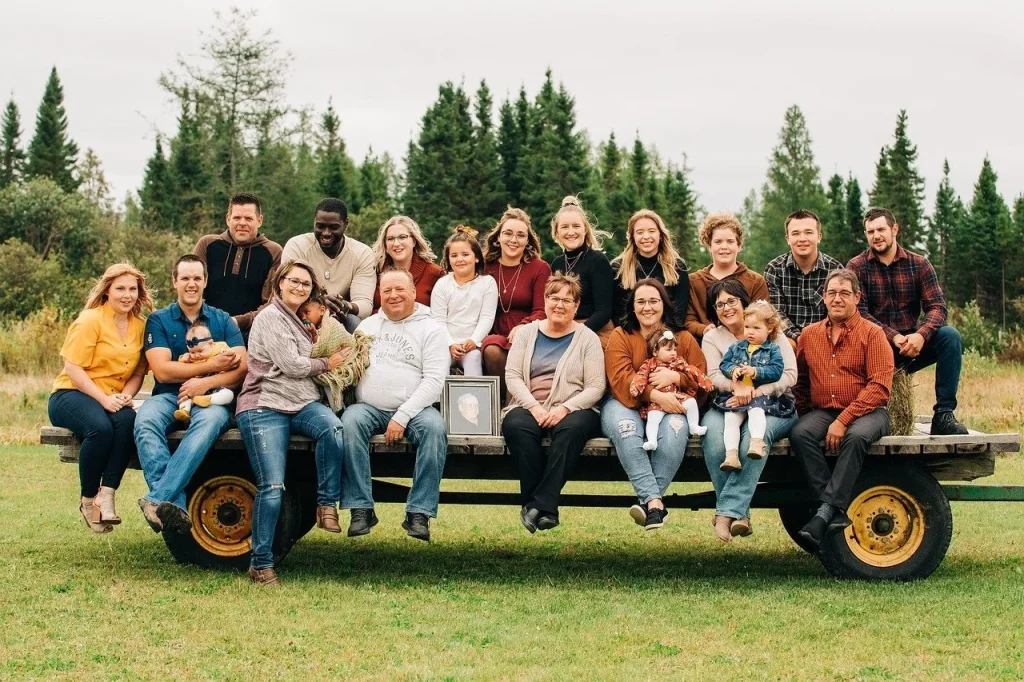
Large extended family posing together outdoors on a hay wagon

A couple of years before I decided to have a child, I relocated from Upstate New York to Oregon. My greatest concern about being in a new place as a new parent was how I could get the social support and practical information I needed to become the best parent that I could to be. That’s when I discovered some local parenting groups that were available to me.

In these parenting groups, which were designed for families with young children, I found a sense of belonging, my struggles were normalized, and I got to share the many joys and challenges of parenting with others going through similar experiences. For many years now, I have cherished the friendships that grew out of those early group connections, and we’ve celebrated our children (who have become amazing young adults.) It does indeed take a village!

What to expect

Parenting groups are often put together by family-centered organizations and are run by Parenting Educators. Parenting Educators facilitate parenting groups for families to explore what they want and need on their unique journey. In addition to guiding the group through meaningful activities and supporting topical discussions, the facilitator can also offer information on other local resources families may want or need.

As new parents we were asked by our facilitator to name our values in a guided activity. Knowing our family values helps us to focus on the important things in our everyday interactions as we parent our children. We visualized our children growing up into adulthood, and imagined the types of experiences, skills, and knowledge they could have by the time they got there. The beauty of this exercise is that as a diverse group of parents we can each choose what we value and learn how to achieve our goals through our family practices and daily routines.

In our parenting group we also focused on the benefits of adult self-care and stress management, so that we can communicate and connect with our children in nurturing and responsive ways. We explored the importance of understanding and meeting the child’s needs at different developmental ages and stages, and adjusting our approach for individual differences in temperament. We examined ways to build strong parent-child relationships, connect using the power of play, and offer positive guidance and discipline strategies to help our children learn and grow in healthy ways.

I’m grateful for the parenting groups I participated in over the years. I treasure the information I gained from the content offered and the way other parents were there for me. My wish for all families is to find a way to engage with others and have meaningful connections that help us thrive.

As a parent, I do not believe that we are meant to raise our children alone.

Resources

For families living in Lane County, here are some of the local parenting resources available to you. Check out a parenting class or family resource today!

Early Childhood Hub of Lane County

Eugene Public Library Parenting Supports

Know the Game: Is Your Child’s Classroom Set Up for Growth or Erasure?

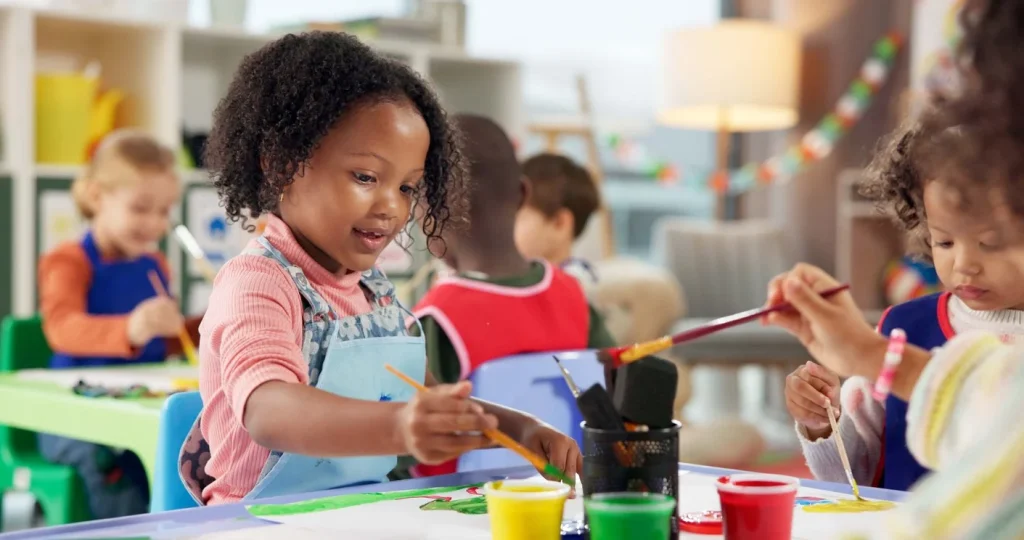
Children painting together at a classroom art table

As school time arrives, there’s so much to cover and yet so much we have to wait and see how it turns out. Undoubtedly, the school year brings hopes of friendship, growth, and a chance to see your child grow into a new version of themselves. Social interaction is critical for brain development, so the quality of those interactions is essential. The children want to connect. When we have little ones under the age of 8, the social interactions aren’t just with their friends—it’s also with the adults who guide them throughout their day.

When you are a parent of a Black child, the typical environment of any classroom has markers that are inherent indicators of one or two things: the classroom is set up for either their growth or their erasure. It may sound hyperbolic, but it is indeed one of the easiest mistakes parents in predominantly white spaces overlook—the visual, physical, and audio cues in classrooms that are rooted in eliminating the prospect of collaboration and diversity.

The assumption that your classroom has to have a percentage of representation reflective of the student body is technically and numerically accepted. However, it’s not generally a safe space for a growing mind to understand their full society. If there’s even just one child who is “different,” separating that difference as unique, unusual, or special is tokenism and effectively eliminates the truth that the space this person shares with others is uniquely lacking in diversity, not the other way around. It’s important to note the power dynamic of spaces that are homogeneously white rather than other ethnically coded cultural spaces. The tendency to lack general knowledge or the need to acknowledge other practices or norms is considered bad form. The “othering” is profound. It is deeply harmful. Whether this “othering” is loud or quietly practiced, your child feels it.

As I continue to write what may help you in assessing the safety of your Black child’s educational experience, I cannot emphasize enough that you MUST be an active participant in normalizing their existence far before they reach school. Their skin, their hair, their bodies, their sensibilities ARE different from your own. It is CRITICAL that you familiarize yourself and normalize the spectrum of existence for Black people, so you are not experimenting on your child as they grow. You are still their first experience in this world. It is far too common for two white parents, identity-struggling biracial parents, and white primary caregivers to be their child’s first racist experience. This can be prevented. So please keep this in mind as you approach your child’s school. You are their first line of defense, so know the game.

It is critical to have conversations with the teacher and administration about:

  • What their practice and policy is around racial discrimination

  • What is their knowledge and approach to avoid racial profiling in behavioral norms for Black children

  • What practices and policies do they have for engagement during holidays

  • What curricular diversity is planned to include the positive contributions of Black people, not only in the United States but throughout the world.

I would suggest you follow up and get their responses via email as well.

What to look for in the school/classrooms:

  • Names AND pictures of Black scientists, artists, writers (not just entertainers or MLK)

  • Circle time books—are the illustrations diverse?

  • The toys—all boys? All girls? All shades and shapes?

  • The emotional regulation board—who are the angry characters and who are the regulated characters?

This is by no means a complete list. These are starter points. The society we have created requires your personal growth and deep advocacy. It requires your activism. Raising a Black child is an ultimate gift. Do your best to ensure the spaces that mold them are also reflecting that truth.

The Power of Picture Books

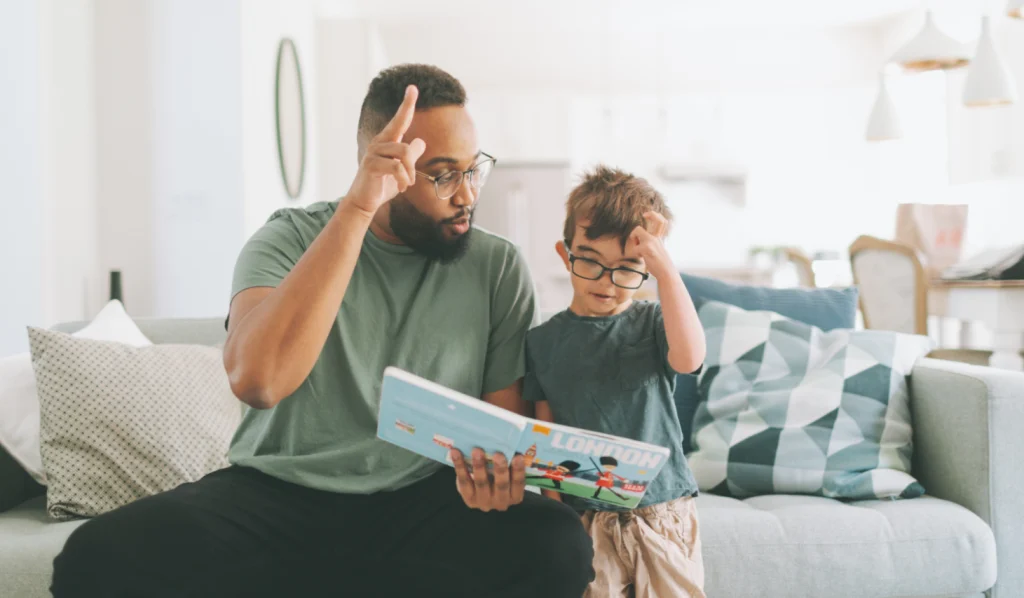
Father reading a picture book with his young son on the couch

My family teases me about my vast collection of picture books. They say I can open a library out of our home. I give picture books as gifts to recipients of all ages.

They are works of art! Literally! I am constantly amazed at the artistic skill of the illustrators. The authors magically make the readers feel inspired, cozy, seen, happy, and mighty in just 32 pages.

Behold, the Picture Book 

Mac Barnett was recently named the National Ambassador for Young People’s Literature. This prestigious appointment comes with an opportunity to choose a platform on which to focus for the tenure. Barnett named his theme, Behold, the Picture Book! Let’s Celebrate Stories We Can Feel, Hear, and See, to elevate the status of these texts.

When we take a moment to consider the talent required to create a book that makes the reader feel so deeply and to acknowledge the special rituals that often surround snuggled-up book reading time, the word “behold” is perfect. These books have become beloved by children.

As Barnett says in an interview with NPR, “The picture book is my favorite art form. It’s such an incredible, vibrant, exciting, forward-looking, experimental art form.”

Rebellious Read Alouds 

OPEC’s Training Academy hosted former kindergarten teacher and author, Vera Ahiyya, to discuss her book, Rebellious Read Alouds and the power of picture books. She shared staggering statistics about diverse representation in picture books.

Animals are the 2nd most popular primary character, and Ahiyya said children are less likely to emulate book behavior from an animal character than they are from a person. Learning valuable lessons from books would have a larger impact if the characters were people.

Ahiyya reiterated the importance of reading “mirrors, windows, and sliding doors” books, an idea coined by Dr. Rudine Sims Bishop. Dr. Bishop suggests that we need all three types of books. Mirror books reflect the reader’s experience; they see themselves in the story. Window books help the reader see into other worlds. Sliding glass door books help the reader enter into another world through empathy.

Finding a “Just Right” Book 

As a classroom teacher, I loved the challenge of matching the perfect book to a student. Learning a student’s interests and reading ability, thinking through my favorite stories, and handing a child a book they loved was highly fulfilling.

I love seeing a kid who is learning to read and cautiously sounding out words, laughing at the book in their hands instead of throwing it down in boredom or frustration. Our school and public librarians create magical storytimes and community outreach events that help libraries become important “third places” for children and families.

“If we think that children’s books are anything less than real literature, it’s because we think kids are something less than real people. If we believe they’re real people, then they deserve good art.” – Mac Barnett

Resources to find high-quality children’s books:

American Indians in Children’s Literature 

Award Winning Books

Caldecott Award Winning Books

The Horn Book

Newbery Award Winning Books

School Library Journal Contenders for Awards

The Concept of a Black Home

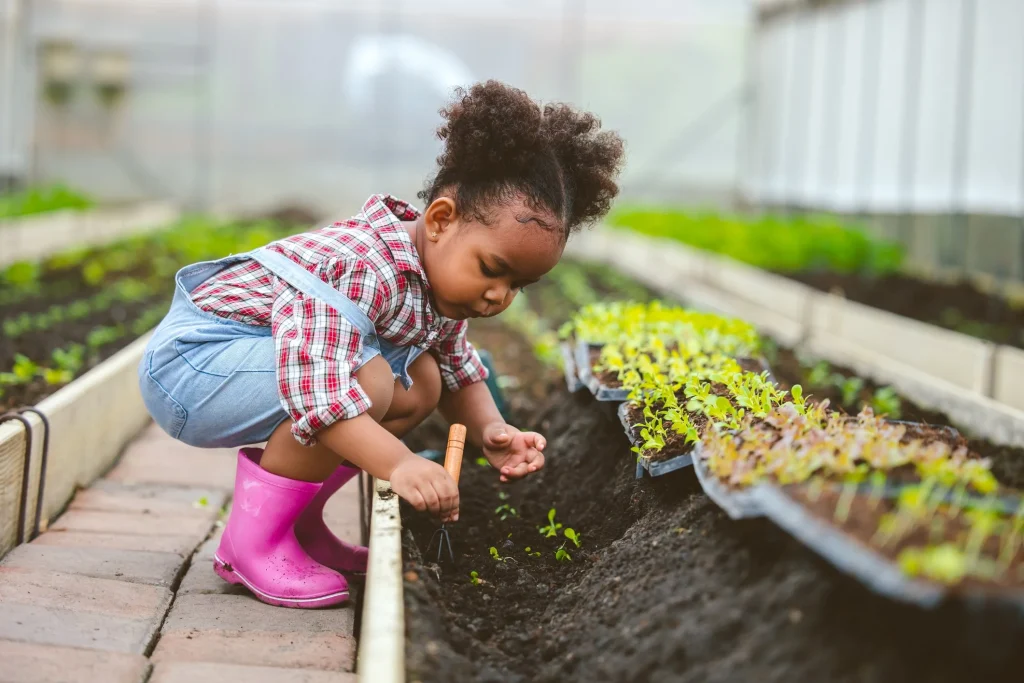
Young girl in rain boots planting seedlings in a greenhouse

If you have Black children, you are a Black household.

This seems straightforward, but most people reading this will immediately resist that description. If you pause a little longer, you might realize something crucial: if your children are Black and your household doesn’t actively understand and engage with issues that uplift or impact the Black community, you’re effectively leaving your child to navigate that terrain alone.

There’s a razor-thin line between othering your child and truly accepting the reality that your entire household is affected by what affects them.

If you’re a non-white parent who doesn’t understand society’s impact on Black children, this understanding is imperative. It’s not enough to simply know the statistics—the likelihood that your child could (and most likely is) experiencing racism in school, extracurricular activities, or while engaging with social systems as basic as riding the city bus.

What’s imperative is navigating the nuances of such ignorance with a deep radar for being gaslit and dismissed back into your comfort zone. If your gut is telling you something is off, it is off. If racism wasn’t in your top two explanations, double-check whether you’re avoiding what has been normalized in your world—not necessarily the world your child experiences daily.

If you find yourself asking, “Could it really be…?” It could. And most likely, it is.

What This Looks and Sounds Like

The manifestations are countless:

  • Assumptions about behavior leading to predictions of “nefarious pathways”

  • Presumptions about likelihood and capability

  • Adults showing apparent lack of experience with Black children, then either refusing accountability or using “not knowing” as justification for inaction

  • Absence of dialogue around the impact of cultural, racial, and ethnic experiences in our society

  • Describing appearance with coded, generally negative words: “wooly,” “frizzy,” “little monkey,” “hyper,” “loud” (when referring to excitement or energy)

  • Labeling children as “different” when the real issue is adults’ lack of exposure to Black children

I could go on. They can go on as well.

Some of these incidents might seem “silly” to address. However, your position should align with your child’s experience, not your own understanding of it. It’s crucial that your child isn’t taught to comply just to get along.

Every issue that affects a Black person must fully affect your household. Without this perspective, you effectively leave your child alone to address the fear and, ultimately, the shame of their involuntary inclusion in whatever the Black community is being charged with.

Everything charged to the Black community is being charged to yours.

One privilege of being white is that when the white community faces behavioral accusations, it’s not charged to the entire community. For example, though most mass shooters are white males, we haven’t labeled this demographic as “dangerous when angry and in crowds.” Yet any deficit attributed to the Black community—whether an individual act or not—lands as the responsibility and reflection of the group entirely.

Your child is no exception.

Your Essential Role

As parents, your job is to ensure that in a world directed at invalidating your baby’s existence, you empower your child with this truth: there is nothing—NOTHING—wrong with how they exist.

Your active commitment to engaging with Black history through the eyes of the Black community is essential. You don’t need to be different people. You do, however, need to be well-informed and an active advocate for your child and their community to live unharmed.

Parents are parents—you don’t want anything to happen to your precious child. This is precisely why it’s imperative to examine which lens you’re using when teaching your child how to be in this complicated society.

White parents especially must address their fear of their Black child navigating an aggressive world. (I’ll explore this more in a future post.) After consistent work on your own personal experiences, narratives, and conditioning, the short answer is this: don’t teach them to fear what being Black means.

There’s often a hidden narrative that white parents carry—one that positions their Black child as somehow complicit in persistent stereotypes, or as having innate knowledge about their “racial role.” This usually isn’t conscious.

There is a solution—many, actually. First and foremost: teach your child a deep understanding of their strength, and of the strength, beauty, and brilliance that is their Blackness, however that presents itself.

This foundation of strength and clarity will prove far more valuable when the day comes that they must stand up for themselves—and that day will come.

The concept of a Black home isn’t just about recognition—it’s about transformation. It’s about ensuring that every child who enters your door knows they belong not just in your family, but in this world, exactly as they are.

Welcoming Refugee Families

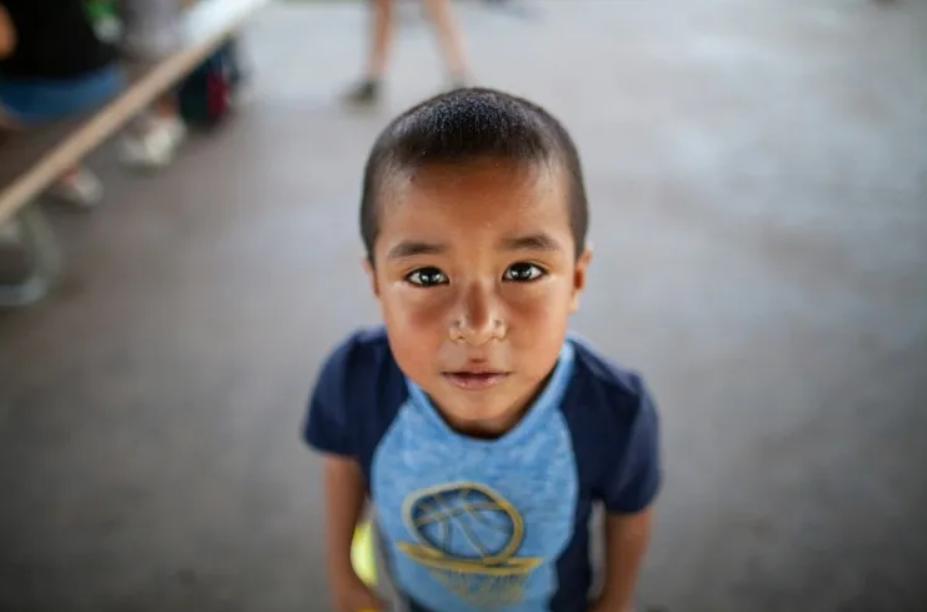
Young boy looking at the camera during an outdoor community gathering


Thanks to Tiffany Smith, English Language Learner Specialist, for sharing resources.

Many towns are seeing a rise in refugee or asylum-seeking families. We view this as an opportunity for our communities to welcome new voices with generosity and compassion. Local organizations often rely on volunteers to ensure new families obtain the support needed. Consider how you can share resources personally and professionally to welcome refugee families in your community and to your parenting classes.

Look with New Eyes

Think about what it would be like to move to a new place with a different culture. What would help you feel welcome? What can we do to help families know they belong in our classes?

It may help pair newcomers with another family or person to be their “buddy.” They will have a go-to person to ask questions and look to for expectations. Relieve newcomers’ fear that they are burdening someone with their questions.

We may consider adding more visuals to our spaces and materials to help support someone who is learning English or may not be a strong reader of English. Can our welcome flyers and advertisements be translated into languages we see in our communities? Can we translate our class materials into the languages our families speak? (These social-emotional tip sheets offer translation into 16 languages.)

You may consider adding picture books for a display around the room that center the experience of your new families – those about refugees and their home culture. Learn to greet people in their language and pronounce their names correctly. Teaching other families names and greetings will help build community within your class and a sense of belonging.

Transition to a New Climate

Kari Leibowitz, PhD, writes in How to Winter that residents of northern cities, such as Minneapolis, have helped newcomers experience winter by teaching them how to ski and ice skate, inviting them to bonfires and celebrations. We may have learned tips that help us navigate heat, rain, or snow. We can share information about safely swimming in a river (bring a towel, sunscreen, water, sunhat) or layering clothing in cold, damp weather (wool layers and a waterproof shell are key). Consider how someone new to your town might need information to feel supported. Are there festivals or holidays to explain? Can you share ideas for communicating with schools? Also, the learning can be in all directions. Invite new families to share their knowledge and experiences with your classes to build connections.

Connect to Local Services

Families fleeing their home countries have endured trauma and intense fear. Updating your trauma training can be crucial to support families in parenting education classes. A calm setting can put everyone at ease. Compiling a list of local mental health supports could be essential for these families. You can also encourage them to contact their school counselors so their children can access services. Families may be navigating poverty as well. Sharing options about accessing SNAP benefits, local health clinics or OHP, affordable housing, childcare options, employment possibilities, public library, and free or inexpensive clothing could be much appreciated.

Resources

Books:

Home is a Lunchbox by Cherry Mo (picture book)

Solito by Javier Zamora (grown-up book)

Watercress by Andrew Wang and Jason Chin (picture book)

When Stars Are Scattered by Victoria Jamieson and Omar Mohamed (middle grade graphic novel)

Websites:

International Rescue Committee

Oregon Refugee Services

Salem for Refugees (Search for your local refugee support agency)

UN Refugee Agency

Parenting Together: Building a Bond with Baby

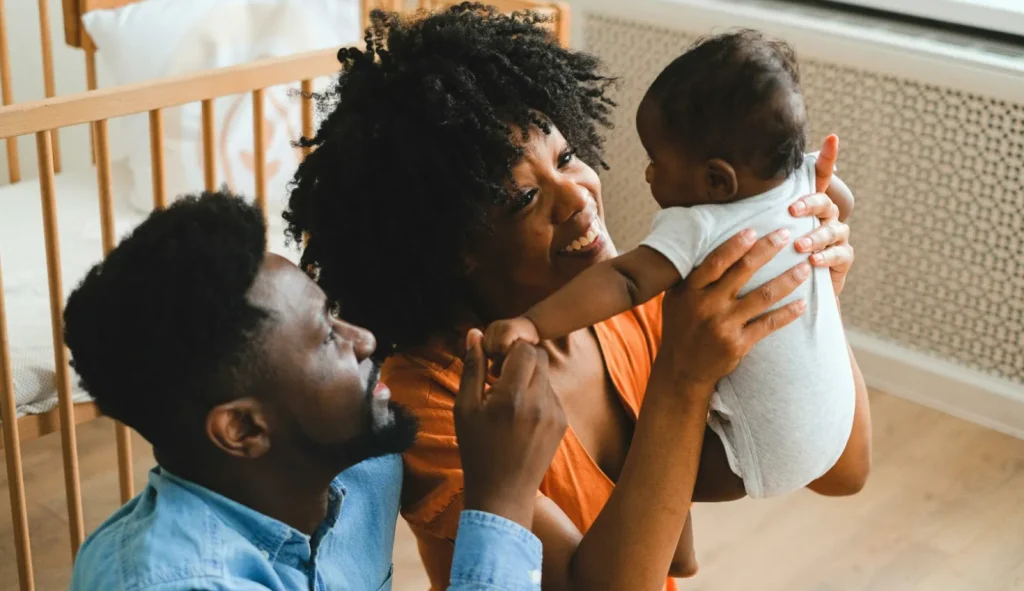
Two parents joyfully bonding with their baby at home

Creating a strong bond with your baby during the early months of parenthood can be a wonderful but challenging journey as you adjust to new routines and responsibilities. You probably do many things already that help build a strong relationship! This connection you are building plays an important role in supporting their social, emotional, and physical development.

A strong bond, often referred to as a secure attachment, is a two-way relationship: your baby responds to your cues just as you respond to theirs. By responding to their needs, you are building trust, which helps them feel safe and understood.

What Do Cues Look Like?  

In infancy, cues are the small signals that babies use to express their needs or feelings.

Since they cannot yet talk, they rely on sounds, movements, and facial expressions to communicate. Paying attention to these cues is important, and overtime time, you will begin to see patterns related to their needs.

Common cues might include turning their head with an open mouth, smacking their lips, or making fussing sounds when they are hungry. Rubbing their eyes, yawning, or becoming quiet or fussy may suggest that they are tired. Crying is often the most recognizable signal for expressing their needs, including a desire for comfort.

Ways to Respond

  1. It can be helpful to notice early signs of hunger, such as lip smacking. Responding to these early signals before they begin to cry can create a more positive feeding experience.
  2. When you observe signs of tiredness, like yawning or eye rubbing, gently soothing them to sleep may be beneficial. This might involve swaddling or rocking them in a quiet, dim environment to help them settle.
  3. In moments of fussiness, picking them up and holding them close can often bring comfort. Using a gentle voice and soft movements can help soothe them, as babies love skin-to-skin touch and voice.
  4. When your baby makes eye contact or reaches out to you, offer smiles, talk to them, or make gentle sounds. A great activity to connect is talking to your baby while changing their diaper. As silly as it sounds, talking to them about each step of changing their diaper is a way to engage with them routinely.

Fostering a secure attachment with your baby plays a huge role in supporting your baby’s development. This two-way relationship builds trust, helping you and your baby feel strongly connected.

Book Nook

Brown Bear, Brown Bear, What Do You See?

By Bill Martin Jr and Eric Carle

Whose Toes Are Those?

Written by Jabari Asim, Illustrated by LeUyen Pham

Bunny to Bunny: Sing Me Your Song

Collaboratively Written

References

Karakaş NM, Dağlı FŞ. The importance of attachment in infant and influencing factors. Turk Pediatri Ars. 2019 Jul 11;54(2):76-81. doi: 10.14744/TurkPediatriArs.2018.80269. PMID: 31384141; PMCID: PMC6666355.

This Parenting Together newsletter was written by Jasmine Tua Karing.

Parenting Together is a monthly newsletter from the Oregon Parenting Education Collaborative. It was first launched in 2015 as a research-based resource for parents. Parenting Together aims to support caregivers of children between the ages of zero and five. It is available each month in English and Spanish. To access Parenting Together newsletters posted prior to January 2025, visit our archive.

Connect with the Oregon Parenting Education Collaborative elsewhere: