

Getting Ready for Kindergarten
Helping Your Child with Homework
Helping Your Child with Homework Homework is an important part of a child’s education, but it can sometimes be a source of stress and…

Getting Ready for Kindergarten
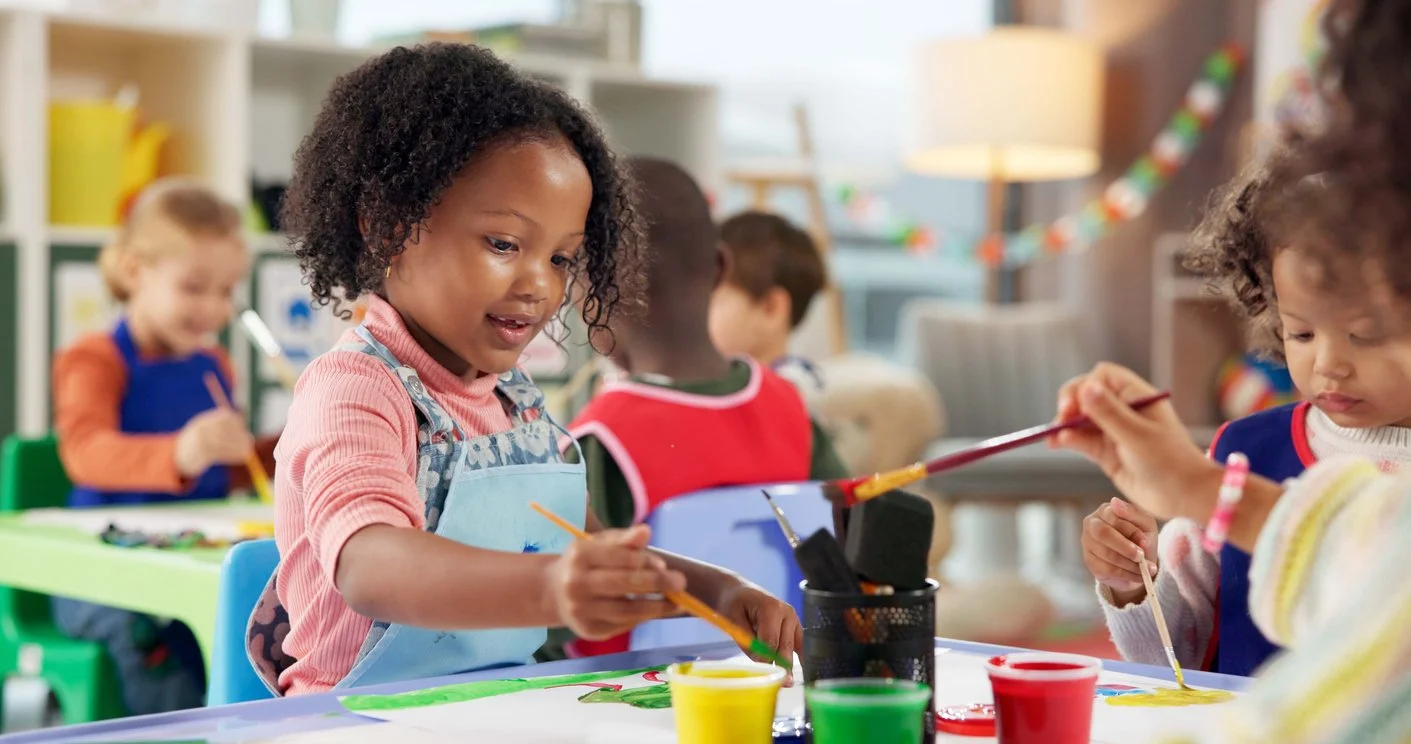
As school time arrives, there’s so much to cover and yet so much we have to wait and see how it turns out. Undoubtedly, the school year brings hopes of friendship, growth, and a chance to see your child grow into a new version of themselves. Social interaction is critical for brain development, so the quality of those interactions is essential. The children want to connect. When we have little ones under the age of 8, the social interactions aren’t just with their friends—it’s also with the adults who guide them throughout their day.
When you are a parent of a Black child, the typical environment of any classroom has markers that are inherent indicators of one or two things: the classroom is set up for either their growth or their erasure. It may sound hyperbolic, but it is indeed one of the easiest mistakes parents in predominantly white spaces overlook—the visual, physical, and audio cues in classrooms that are rooted in eliminating the prospect of collaboration and diversity.
The assumption that your classroom has to have a percentage of representation reflective of the student body is technically and numerically accepted. However, it’s not generally a safe space for a growing mind to understand their full society. If there’s even just one child who is “different,” separating that difference as unique, unusual, or special is tokenism and effectively eliminates the truth that the space this person shares with others is uniquely lacking in diversity, not the other way around. It’s important to note the power dynamic of spaces that are homogeneously white rather than other ethnically coded cultural spaces. The tendency to lack general knowledge or the need to acknowledge other practices or norms is considered bad form. The “othering” is profound. It is deeply harmful. Whether this “othering” is loud or quietly practiced, your child feels it.
As I continue to write what may help you in assessing the safety of your Black child’s educational experience, I cannot emphasize enough that you MUST be an active participant in normalizing their existence far before they reach school. Their skin, their hair, their bodies, their sensibilities ARE different from your own. It is CRITICAL that you familiarize yourself and normalize the spectrum of existence for Black people, so you are not experimenting on your child as they grow. You are still their first experience in this world. It is far too common for two white parents, identity-struggling biracial parents, and white primary caregivers to be their child’s first racist experience. This can be prevented. So please keep this in mind as you approach your child’s school. You are their first line of defense, so know the game.
It is critical to have conversations with the teacher and administration about:
What their practice and policy is around racial discrimination
What is their knowledge and approach to avoid racial profiling in behavioral norms for Black children
What practices and policies do they have for engagement during holidays
What curricular diversity is planned to include the positive contributions of Black people, not only in the United States but throughout the world.
I would suggest you follow up and get their responses via email as well.
What to look for in the school/classrooms:
Names AND pictures of Black scientists, artists, writers (not just entertainers or MLK)
Circle time books—are the illustrations diverse?
The toys—all boys? All girls? All shades and shapes?
The emotional regulation board—who are the angry characters and who are the regulated characters?
This is by no means a complete list. These are starter points. The society we have created requires your personal growth and deep advocacy. It requires your activism. Raising a Black child is an ultimate gift. Do your best to ensure the spaces that mold them are also reflecting that truth.
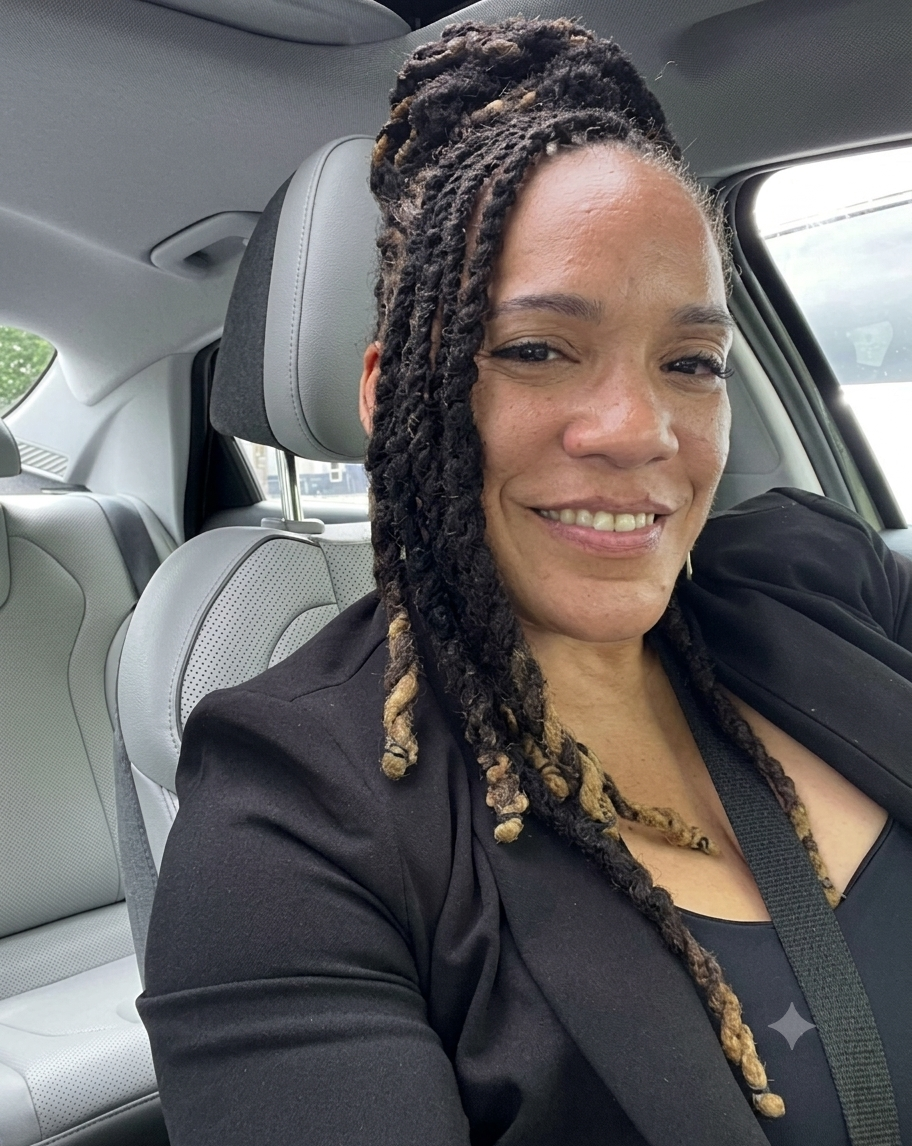
Ayisha Elliott is a mother, grandmother, and relational parenting guide who understands the beautiful complexity of raising Black children in today’s world. As a mother of three and grandmother of five—currently raising three of her grandchildren—she brings both lived experience and 25 years of professional expertise in relationship-centered approaches to the everyday realities of parenting across generations. From navigating school systems and cultural identity to managing sibling dynamics and travel logistics with children, Ayisha has learned that the same principles that transform organizations can revolutionize family life. As the content producer of the podcast Black Girl From Eugene, award-winning columnist, and sought-after speaker, Ayisha creates authentic conversations about what it means to raise confident, grounded children while honoring their heritage and preparing them for the world as it is. Her unique perspective comes from successfully balancing entrepreneurship with hands-on parenting, traveling internationally with the children she’s raising, and understanding that every parenting decision carries both personal and cultural weight. Through her writing and speaking, Ayisha offers practical wisdom, honest reflection, and relationship-building strategies that help Black families thrive—not just survive—in complex times.
Getting Ready for Kindergarten
Helping Your Child with Homework Homework is an important part of a child’s education, but it can sometimes be a source of stress and…

Getting Ready for Kindergarten
As children grow, so does their sense of self-worth and confidence. This view of themselves, known as self-esteem, plays a crucial role in their…
Receive our monthly newsletter for activities, local events, and fun learning ideas. Available in English or Spanish.
Sign Up