Know the Game: Is Your Child’s Classroom Set Up for Growth or Erasure?

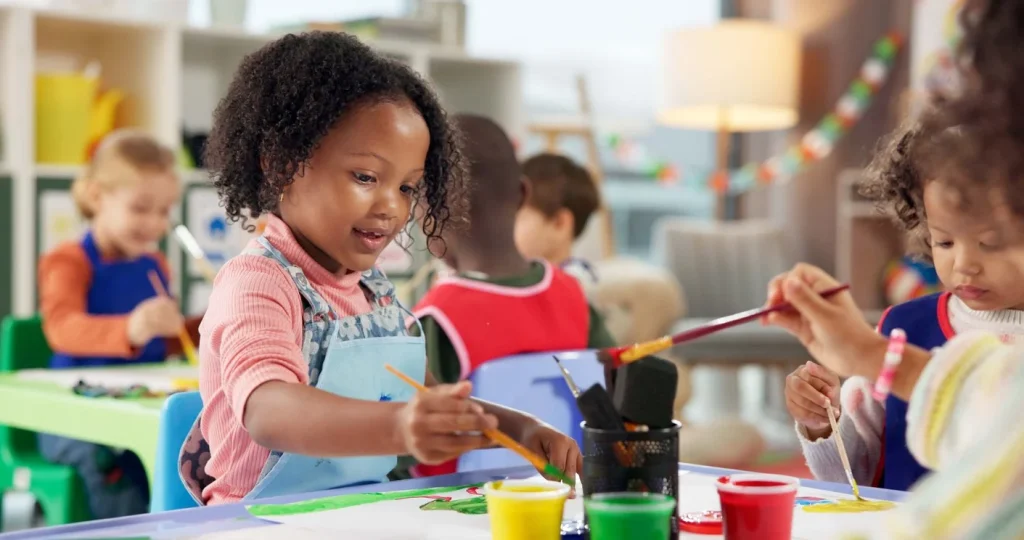
Children painting together at a classroom art table

As school time arrives, there’s so much to cover and yet so much we have to wait and see how it turns out. Undoubtedly, the school year brings hopes of friendship, growth, and a chance to see your child grow into a new version of themselves. Social interaction is critical for brain development, so the quality of those interactions is essential. The children want to connect. When we have little ones under the age of 8, the social interactions aren’t just with their friends—it’s also with the adults who guide them throughout their day.

When you are a parent of a Black child, the typical environment of any classroom has markers that are inherent indicators of one or two things: the classroom is set up for either their growth or their erasure. It may sound hyperbolic, but it is indeed one of the easiest mistakes parents in predominantly white spaces overlook—the visual, physical, and audio cues in classrooms that are rooted in eliminating the prospect of collaboration and diversity.

The assumption that your classroom has to have a percentage of representation reflective of the student body is technically and numerically accepted. However, it’s not generally a safe space for a growing mind to understand their full society. If there’s even just one child who is “different,” separating that difference as unique, unusual, or special is tokenism and effectively eliminates the truth that the space this person shares with others is uniquely lacking in diversity, not the other way around. It’s important to note the power dynamic of spaces that are homogeneously white rather than other ethnically coded cultural spaces. The tendency to lack general knowledge or the need to acknowledge other practices or norms is considered bad form. The “othering” is profound. It is deeply harmful. Whether this “othering” is loud or quietly practiced, your child feels it.

As I continue to write what may help you in assessing the safety of your Black child’s educational experience, I cannot emphasize enough that you MUST be an active participant in normalizing their existence far before they reach school. Their skin, their hair, their bodies, their sensibilities ARE different from your own. It is CRITICAL that you familiarize yourself and normalize the spectrum of existence for Black people, so you are not experimenting on your child as they grow. You are still their first experience in this world. It is far too common for two white parents, identity-struggling biracial parents, and white primary caregivers to be their child’s first racist experience. This can be prevented. So please keep this in mind as you approach your child’s school. You are their first line of defense, so know the game.

It is critical to have conversations with the teacher and administration about:

  • What their practice and policy is around racial discrimination

  • What is their knowledge and approach to avoid racial profiling in behavioral norms for Black children

  • What practices and policies do they have for engagement during holidays

  • What curricular diversity is planned to include the positive contributions of Black people, not only in the United States but throughout the world.

I would suggest you follow up and get their responses via email as well.

What to look for in the school/classrooms:

  • Names AND pictures of Black scientists, artists, writers (not just entertainers or MLK)

  • Circle time books—are the illustrations diverse?

  • The toys—all boys? All girls? All shades and shapes?

  • The emotional regulation board—who are the angry characters and who are the regulated characters?

This is by no means a complete list. These are starter points. The society we have created requires your personal growth and deep advocacy. It requires your activism. Raising a Black child is an ultimate gift. Do your best to ensure the spaces that mold them are also reflecting that truth.

Helping Your Child with Homework

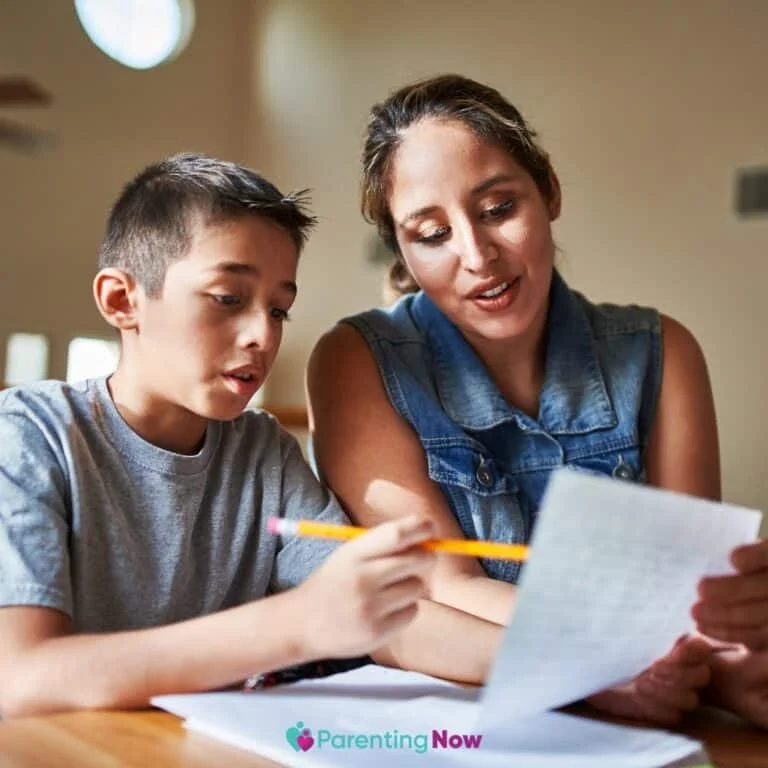
Mother helping her son with homework at the table

Helping Your Child with Homework

Homework is an important part of a child’s education, but it can sometimes be a source of stress and frustration for both children and parents. However, with the right approach, homework time can be a positive and productive experience. Here are some tips to help you support your child with their homework:

Preparing Your Child for Homework
Allow your child to relax and have a snack after school to recharge. Ask your child about their homework and what tasks need to be completed. Set a regular homework time that fits your family’s schedule and priorities.

Creating a Homework Environment
Set up a designated study area that is well-lit and free from distractions. Encourage your child to do their homework in a place where they feel comfortable and focused.

Encouraging Your Child
Help your child get started on their homework but avoid doing it for them. Praise your child for their efforts and progress, rather than focusing on mistakes. Encourage your child to solve problems on their own before offering help.

Dealing with Homework Challenges
If your child continues to struggle with homework, consider using a points system to motivate them. Set clear expectations and consequences for completing or not completing homework tasks. Keep track of your child’s progress and reward them for meeting their goals.

Seeking Additional Support
If your child consistently has difficulty with homework, talk to their teacher to see if extra support is needed. Focus on your child’s successes and strengths to help build their confidence and motivation.

By following these tips and providing positive encouragement and support, you can help your child develop good study habits and succeed in their homework assignments. Remember, every child is different, so it may take some time to find what works best for your child.

By The Triple P Team at Parenting Now.

Triple P – Positive Parenting Program
Are you interested in receiving more parenting advice? Triple P Online – Positive Parenting Program could be for you! This online parenting program allows you to take a parenting class in the comfort of your own home!

If you live in Lane County, you can get Triple P Online for free by filling out the form on the Triple P page. A staff person from Parenting Now will send you an access code within 24 hours and you’ll be able to start using the program right away! For more information about the program and to sign up visit the Triple P.

Building Healthy Self-Esteem in Elementary School Children

Smiling elementary school boy wearing a backpack in a classroom

As children grow, so does their sense of self-worth and confidence. This view of themselves, known as self-esteem, plays a crucial role in their overall well-being and success. As parents, it’s essential to nurture and encourage healthy self-esteem in your children. Here are some tips to help you promote your child’s self-esteem:

Why is Self-Esteem Important?
Children with healthy self-esteem are more likely to be happy, cooperative, successful at school, and make friends easily. They enjoy challenges, are eager to learn and cope with stress effectively. On the other hand, children with low self-esteem may feel inadequate, be reluctant to try new things and have few goals. They are also more likely to develop behavior problems and experience anxiety or depression.

How to Encourage Healthy Self-Esteem:

1. Praise Efforts and Achievements: Focus on your child’s efforts and achievements, praising them for their hard work and perseverance. Avoid criticizing their weaknesses and instead, highlight their strengths.
2. Show Your Care: Express your love and care for your child regularly. Spend quality time with them and be available when they need you. This helps them feel valued and appreciated.
3. Encourage a Healthy Lifestyle: Promote good hygiene, grooming, and regular exercise, which can contribute to your child feeling good about themselves.
4. Teach Good Friend-Making Skills: Encourage your child to make friends and be a good friend in return. This helps them develop positive social skills and boosts their self-esteem.
5. Set Achievable Goals: Help your child set realistic goals and support them in achieving them. Avoid setting expectations that are too high, as this can lead to feelings of failure.
6. Encourage Independence: Allow your child to do things for themselves and take reasonable risks. This helps them develop a sense of control and confidence in their abilities.
7. Promote Positive Self-Talk: Teach your child to think positively about themselves and their abilities. Encourage them to focus on their strengths and achievements rather than their shortcomings.
8. Help Them Manage Negative Feelings: Teach your child how to cope with disappointment and setbacks. Encourage them to try again after a failure and support them in learning from their mistakes.
9. Involve Them in Problem-Solving: Include your child in family problem-solving discussions and encourage them to come up with solutions. This helps them develop critical thinking skills and boosts their confidence in their abilities.
10. Be a Positive Role Model: Show your child how to handle challenges and setbacks with grace and resilience. Your example will teach them valuable lessons about perseverance and self-confidence.

By following these tips, you can help your child develop healthy self-esteem and navigate the ups and downs of life with confidence and resilience. Remember, building self-esteem is an ongoing process that requires patience, understanding, and consistent support from parents and caregivers.

—

Triple P – Positive Parenting Program
Are you interested in receiving more parenting advice? Triple P Online – Positive Parenting Program could be for you! This online parenting program allows you to take a parenting class in the comfort of your own home!

If you live in Lane County, you can get Triple P Online for free by filling out the form on the Triple P page. A staff person from Parenting Now will send you an access code within 24 hours and you’ll be able to start using the program right away! For more information about the program and to sign up visit the Triple P page.

Navigating Elementary School Behavior: A Guide for Parents from Parenting Now

Elementary school students writing at their desks in a classroom


Navigating Elementary School Behavior: A Guide for Parents
Behavioral issues at school can be a concern for both parents and teachers. However, with the right approach, these issues can be effectively managed to ensure your child’s success. Here are some tips to help you work with your child’s teacher and address behavior problems at school:
Understanding Common School Behavior Problems
Common behavior problems at school include not following instructions, distracting other children, calling out, and not finishing assigned work. These behaviors can interfere with your child’s learning and development if not addressed promptly.
Why Children Misbehave at School
Children may misbehave at school due to various reasons, including not understanding the rules, seeking attention, or feeling bored or overwhelmed. It’s important to address the root cause of the behavior to effectively manage it.
Managing School Behavior Problems
1. Discuss the problem with your child: Ask your child about any issues they may be experiencing at school and involve them in finding solutions.
2. Discuss the problem with the teacher: Schedule a meeting with your child’s teacher to understand the behavior from their perspective and collaborate on a plan of action.
3. Act on useful suggestions: Implement the teacher’s suggestions, along with your child’s ideas, to develop a plan to address the behavior.
4. Plan a home-school program: If the behavior persists, work with the teacher to create a home-school program to manage your child’s behavior. This may include a behavior diary and clear expectations for behavior.
5. Praise and reward: Acknowledge your child’s efforts to improve their behavior and provide positive reinforcement for following the rules.
6. Apply consequences: If your child does not meet the behavior goals, apply consequences consistently to help them understand the importance of following the rules.
7. Review progress: Check in with the teacher regularly to assess your child’s progress and adjust the plan as needed.

Key Steps

  • Discuss the problem with your child and the teacher.
  • Try out useful suggestions and implement a plan of action.
  • If problems persist, plan a home-school program with the teacher.
  • Explain the program to your child, including the goals, rewards, and consequences.
  • Praise and reward your child for following the rules and meeting behavior goals.
  • Apply consequences if your child does not meet the goals.
  • Review progress with the teacher and adjust the plan as needed.

By working closely with your child’s teacher and implementing these strategies, you can help your child behave responsibly at school and succeed academically.

Triple P – Positive Parenting Program
Are you interested in receiving more parenting advice? Triple P Online – Positive Parenting Program could be for you! This online parenting program allows you to take a parenting class in the comfort of your own home!

If you live in Lane County, you can get Triple P Online for free by filling out the form on the Triple P page. A staff person from Parenting Now will send you an access code within 24 hours and you’ll be able to start using the program right away!

Preparing Your Kids for Back to School

Two children lying on the floor writing together in a notebook

As summer winds down, some kids feel excited about school coming up and some feel anxious, but all kids sense that a shift in routine is coming, and that can bring up some big emotions. The good news is that, as a parent, there are some things you can do to help your children manage these emotions and get ready for back to school!

Start Talking About School

Begin discussing school earlier in the summer, especially if it’s your child’s first year! Talk about what a school day might look like, how they will get to and from school, and emphasize how fun learning new things and making new friends will be.

Check Out the School

Drive by your child’s school. If you’re able to, stop by and play on the playground or park in the parking lot as you will when the school year starts. Or, if your child will be taking the bus, point out where the bus may drop them off and where the front doors of the school are.

Practice Getting Ready

Make a fun game of picking out a “school outfit” on a summer night, going to bed, setting an alarm, and getting up and ready like they will for school. Packing a lunch, reading a story about school, talking about your own memories of school, or even walking to the bus stop can all be a part of this make-believe game. Base it off of what your real school mornings will look like!

Take Time to Connect

On the morning of the first day of school, your child may feel excited, scared, anxious, nervous, happy, or any combination of these emotions. While things may feel hectic, take a few moments to connect with your child, to remind them of qualities you love about them that will help them feel successful in school (i.e. you’re such a great friend, you always listen to others, you’re so kind!) Take a moment to breathe with your child.

It’s time to send them off to school! You’ve given your child the tools they need to succeed, see them off to school safely and take some time to adjust yourself to this change in routine too. Parents and caregivers are going through a change this time of year as well!

Triple P – Positive Parenting Program

Are you interested in receiving more parenting advice? Triple P Online – Positive Parenting Program could be for you! This online parenting program allows you to take a parenting class in the comfort of your own home!

If you live in Lane County, you can get Triple P Online for free by filling out the form on the Parenting Now Triple P page. A staff person from Parenting Now will send you an access code within 24 hours and you’ll be able to start using the program right away! For more information about the program and to sign up visit the Parenting Now Triple P page.

Supporting Your Child’s Re-Entry To School

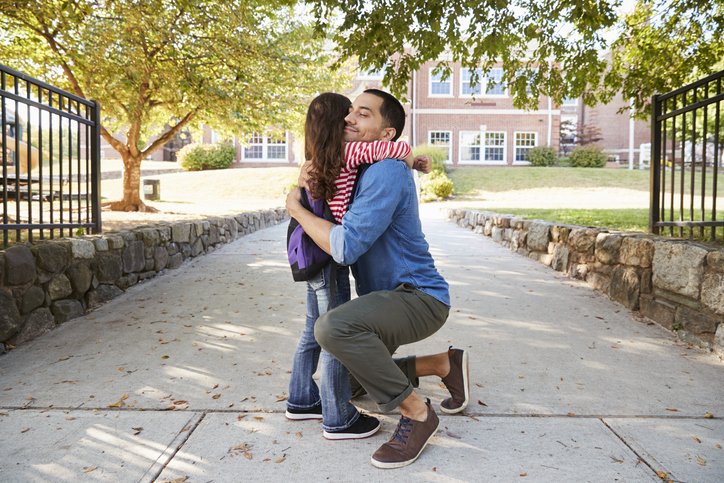
Parent kneeling to hug a child goodbye outside a school entrance

After a fun-filled summer, Lane County children are going back to school in early September. For some, it’s their first time away from home. Whether your child is entering kindergarten for the first time or going into elementary school, children of all ages are likely to experience separation anxiety from their caregivers as they transition into a new routine. Children also may be anxious about meeting new friends, adjusting to a new teacher, and in general getting used to their new routine. Going from being home all summer to returning to or starting school takes lots of energy, physically and emotionally.

As a parent, although you are probably looking forward to a few hours without your children, you also might have your own separation anxiety. It will be an adjustment for you to have your children away from you during the day. But there are some beneficial things you can do to help smooth the transition for both of you.

Preventing Separation Anxiety

Prep your child ahead of time

Don’t wait until Monday morning to spring on your kindergartener that it’s a “school day!” Talk about it with your child ahead of time when the opportunity presents itself. A child’s anxiety can be reduced by knowing what to expect.

  • Have your child pick out their “school clothes for tomorrow”

  • Pick out after-school snacks with you at the grocery store

  • Remind your child that they need to “go to bed early because tomorrow is a school day”

  • Talk about what is coming up in the week: any special plans or activities?

If your child is a visual learner, consider having a calendar that shows which days are school days and which are no-school days. Use a magnet, sticker, or item of your child’s choice to move along the days of the week.

Keep mornings smooth and unrushed

Feeling rushed can kick anyone’s anxiety into high gear. But children especially can feel overwhelmed when we rush them out the door in the morning. When possible, try to keep your morning routines smooth and unrushed so your child can feel calm as they head off to school. Doing some of these things the night before can help mornings feel less chaotic:

  • Lay out your child’s clothes for the morning

  • Prep breakfast the night before, i.e. pour the cereal in the bowl and set it at the table

  • Put backpacks, jackets, and shoes by the door

  • Sign any papers that need to go back to the school and place them in your child’s backpack

  • Have a specific place to put things that need to go out the door in the morning

  • Pack your child’s lunchbox with just the dry goods, or put it in the refrigerator to be ready to grab in the morning

Keep school drop-off simple

It can be hard to leave your child at school when they are upset and clinging to you, but a loving, simple “hug and goodbye” allows your child, with the help of their teacher, to find what helps calm them. When it is time to leave, remind your child where you are going and when you will return. You are helping your child build resilience by giving them the opportunity to work through hard feelings and then come out okay. At the end of the day let them know how proud they can be of themselves for adjusting so well to being at their new school.

Try to link the time of your return with something your child will understand — “Lamar, I will pick you up from school after your class has finished story time.”

Spend quality time together

During the next few weeks as your child adjusts to being at school, he may need extra support and attention from you at home. Make time after school or when you return to home to check in with your child about their day; talk about what went well or what was fun at school; and find a special activity you can do together like read some books, make an after-school snack, go to the park. They may need some time to release some of their energy physically at the end of the day, so tossing the ball around or playing tag may be in order. By spending fun time together, you are reinforcing the bond you have together, building your positive relationship. A little one-on-one time with you will go a long way in helping your child feel safe and connected even when they are away from you at school.

This article is brought to you by Parenting Now Parenting Educators and authors Amanda Bedortha, Claire Davis and Lynne Swartz, and consultant Jay Thompson. Parenting Now offers parenting groups and drop-in programs for families with children 0-8, and is passionate about happy, healthy families. For more information about Parenting Now, please visit their website or contact us at info@parentingnow.org.

Triple P – Positive Parenting Program

Are you interested in receiving more parenting advice? Triple P Online – Positive Parenting Program could be for you! This online parenting program allows you to take a parenting class in the comfort of your own home!

If you live in Lane County, you can get Triple P Online for free by filling out the form on the Triple P page. A staff person from Parenting Now will send you an access code within 24 hours and you’ll be able to start using the program right away! For more information about the program and to sign up visit the Triple P page.