





Supporting Black Children
Proximity Isn’t Understanding
When I write about and to white parents of Black children, I do recognize the complexity that surrounds parenting a reality you cannot fully…

Supporting Black Children
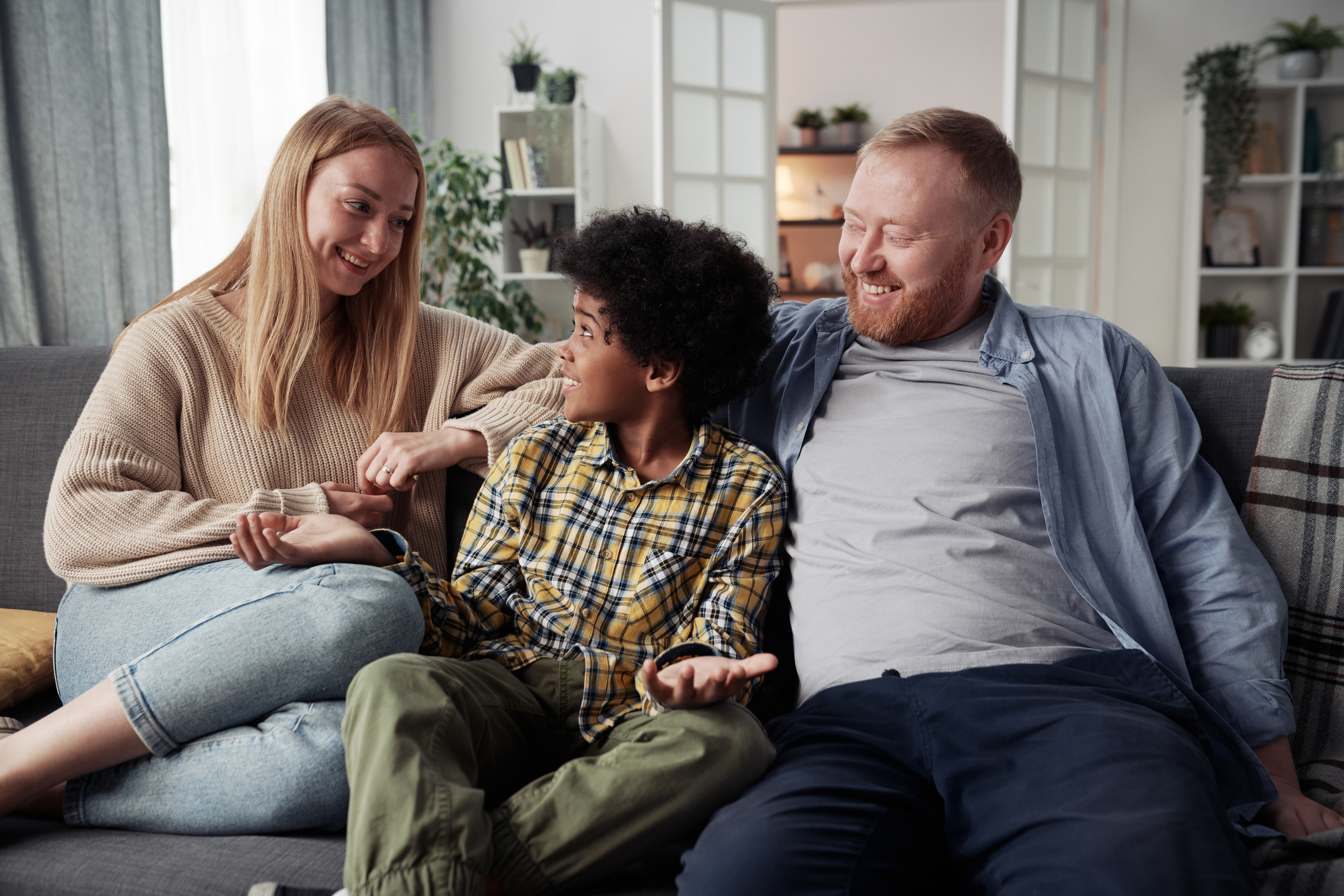
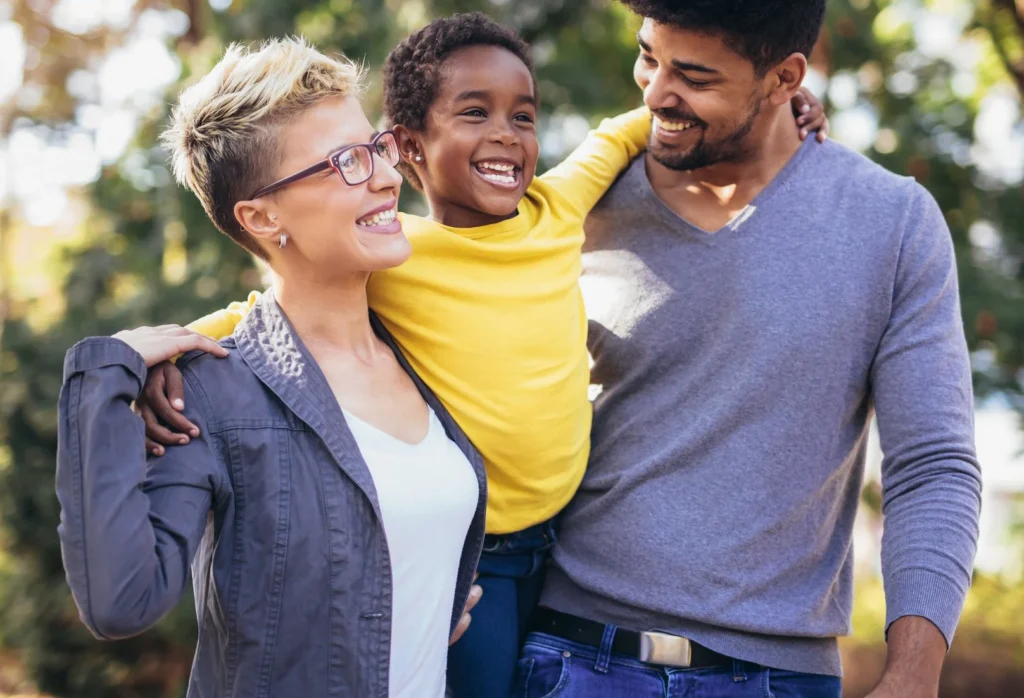
As a white parent raising a Black child, or a child the world will see as Black, you already know racism is hard to navigate.
You might expect to know exactly what to say and do when people treat your child unfairly, and you do. As parents, we know our children better than anyone. But there is a limit to what you can know when society assigns roles to one group and assigns opposing roles to another and we are all in one family.
Being close to Blackness is not the same as being Black. Loving a Black partner, child, or best friend does not give you the lived experience of racism. It does not show you what it feels like to face everyday bias, or the larger systems in schools, health care, policing, and jobs that treat Black people unfairly. That knowledge belongs to the people who live it.
Hearing that can be uncomfortable. It’s a discomfort that can be predicted. As parents we are doing our very best. So you may feel the urge to defend yourself: But I love my child. I’m not like that. I get it. That defensiveness is natural. HOWEVER, it puts your comfort at the center when your child’s experience should be there instead.
So what can you do?
REMEMBER: Antiracism is a verb. So is allyship. Both are about what you do, not just what you believe.
Like every parent, you have a head start, because you know your child. You can teach them in a way that fits who they are, before the world tries to tell them who they should be or where they belong. You can be their first teacher. You can show them that being Black is beautiful, brilliant, powerful, and worthy of deep respect.
Show that love through your own life. Do your own learning instead of leaning on your partner, their family, or your Black friends to teach you. Go to Black-centered events. Support and learn about Black-owned businesses. Learn Black history all year long. Make Blackness a normal, valued part of your world, not something that only matters because your child is in it.
Why does this matter? Because your child won’t have to teach you. Someday they will face racism. You can’t feel what they feel, but you can make sure they never have to convince you it was real. When they come to you hurt or angry, they shouldn’t have to manage your defensiveness, too. They shouldn’t have to soften their story to keep you comfortable. Your job is to listen, believe them, and stand with them. That is one less burden for them to carry.
There is no age when this matters more than another. Even babies take in messages. A caregiver’s offhand comment about a baby’s hair or skin, or a teacher who quietly expects less, can teach a child something harmful long before they meet more open racism, like a college recruiter who passes them over. These quiet moments add up.
If you are just beginning this work, that’s okay. The best time to start was before your child arrived. The next best time is today.
Walking in someone’s shoes, even shoes you love, gives you a sense of where they’ve been. But they are not your shoes, and it is not your journey. Respect the real experience for what it is. As parents, what we can all do is help clear the path, and walk beside our children every step of the way.
As a Black woman, and an Anti Racism professional and all of the advice given comes from this background.
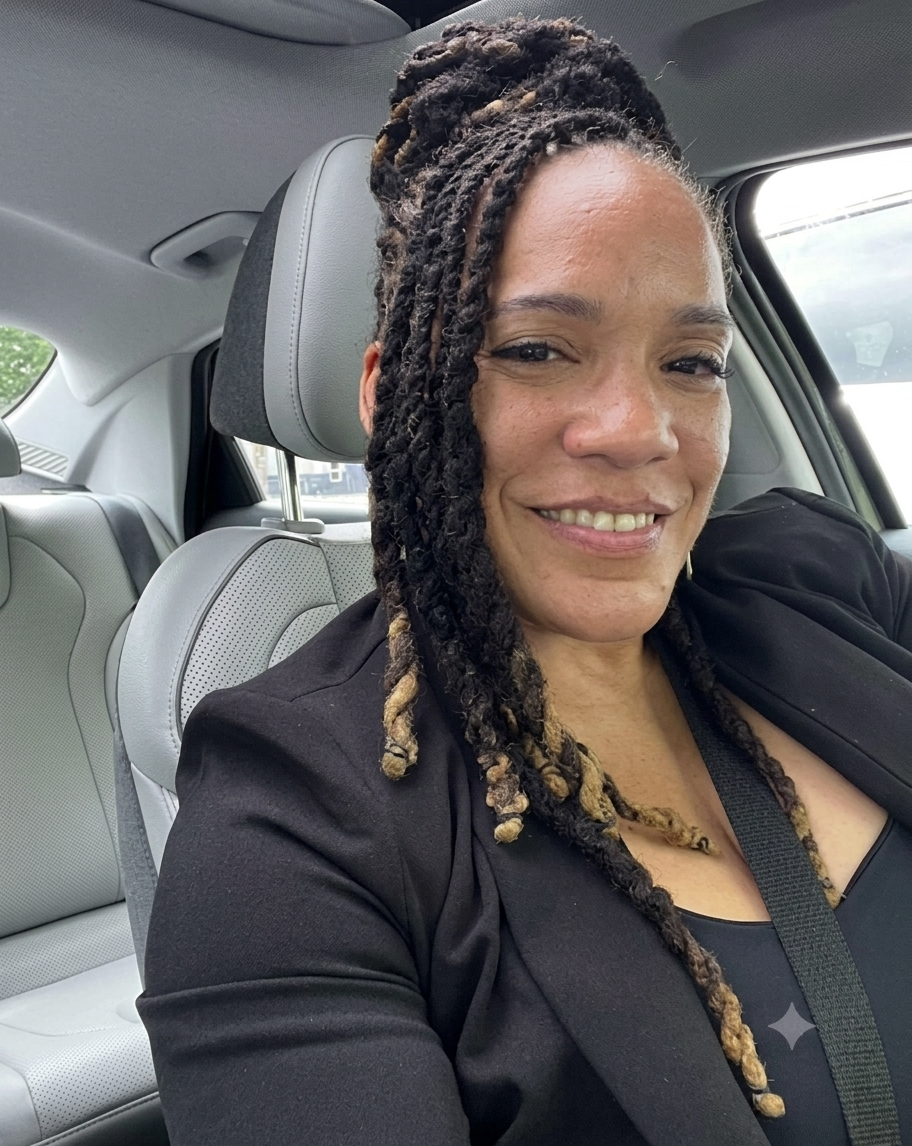
Ayisha Elliott is a mother, grandmother, and relational parenting guide who understands the beautiful complexity of raising Black children in today’s world. As a mother of three and grandmother of five—currently raising three of her grandchildren—she brings both lived experience and 25 years of professional expertise in relationship-centered approaches to the everyday realities of parenting across generations. From navigating school systems and cultural identity to managing sibling dynamics and travel logistics with children, Ayisha has learned that the same principles that transform organizations can revolutionize family life. As the content producer of the podcast Black Girl From Eugene, award-winning columnist, and sought-after speaker, Ayisha creates authentic conversations about what it means to raise confident, grounded children while honoring their heritage and preparing them for the world as it is. Her unique perspective comes from successfully balancing entrepreneurship with hands-on parenting, traveling internationally with the children she’s raising, and understanding that every parenting decision carries both personal and cultural weight. Through her writing and speaking, Ayisha offers practical wisdom, honest reflection, and relationship-building strategies that help Black families thrive—not just survive—in complex times.
Supporting Black Children
When I write about and to white parents of Black children, I do recognize the complexity that surrounds parenting a reality you cannot fully…
Supporting Black Children
Honey doesn’t come in one shade. It’s pale gold in one jar and near-black in another, and every jar is still, unmistakably, honey. Summer…