Supporting Resilience Every Day

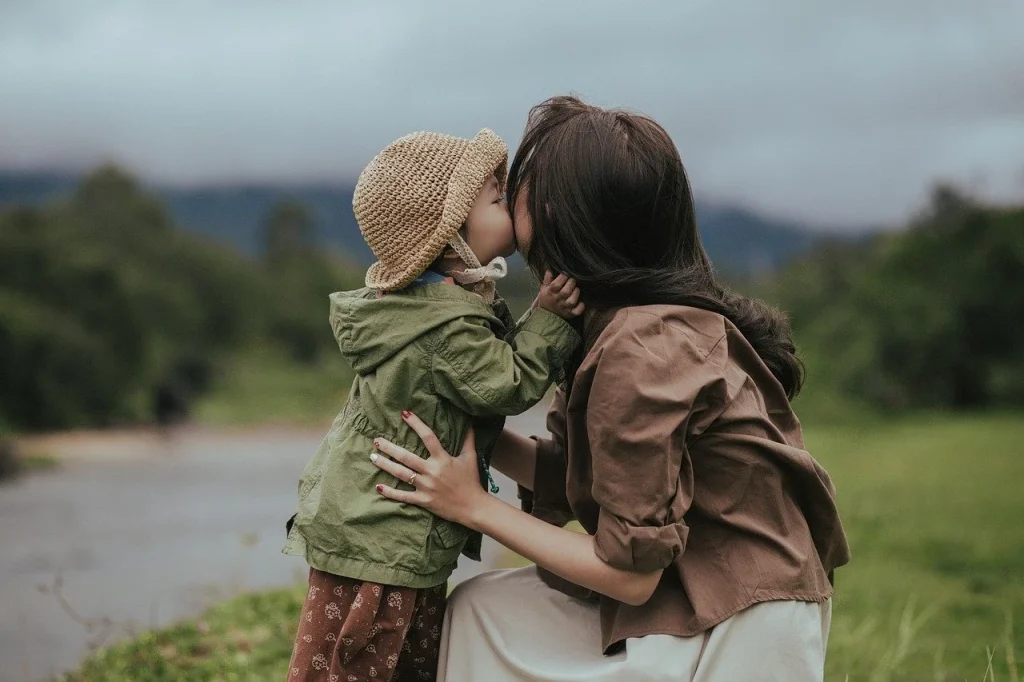
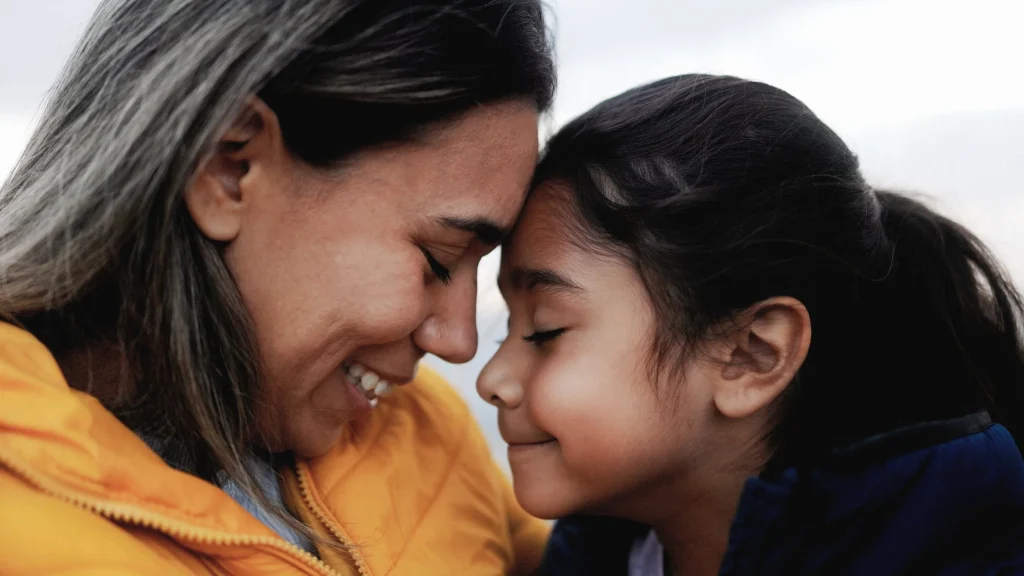
Mother embracing her daughter in a tender, comforting moment

Our routines, relationships with other people, and perspectives on life all influence our wellbeing. When we share these parts of our lives with kids, we help them build resilience.

Resilience is how we adapt and respond to the present moment. It affects how we cope with day-to-day life and moments of crisis. Fortunately, kids build these skills every day. Read on for ideas for how we as caretakers can support them.

Help your child create positive connections with other people 

Secure relationships with adults help kids feel safe, understood, and cared for. These relationships also give kids multiple ways to seek help when they need it.

You can help your child create relationships with family members, teachers, coaches, neighbors, and the parents of their friends. A strong support network makes your child more resilient and can help you find the support you need as well!

Help your child practice gratitude

In challenging times and in joyful times, taking time to share what’s going right helps us keep a positive view on life. Practicing gratitude with your child can help prevent feelings of being overwhelmed. It may make you feel better as well!

Mealtime is a great opportunity to model sharing what went well in your day. With the very young kids in my preschool classes, I would often smile and say, “I’m happy I got to laugh with you today,” or “I’m happy we saw birds in the park.” Kids understand that we are happy with them before they can say it back.

Make space for wonder

Kids are natural explorers. Wherever they go, they search for new experiences. This is why toddlers love the question “why?” and why babies put everything in their mouths!

When kids wonder about and explore the world around them, they practice mindfulness. We use mindfulness when we observe the present moment and accept it for what it is.

Mindfulness is linked to lower stress, management of emotions, focus, and empathy. When kids have time and space to explore, they build these skills.

Some ideas for supporting wonder and mindfulness for kids: 

  • Spend time outside

  • Include slow, unrushed time in your family’s routine

  • Play games like “I Spy…”

Book nook:

  • Alphabreaths: The ABCs of Mindful Breathing by Christopher Willar and Daniel Rechtschaffen Illustrated by Holly Clifton-Brown

  • What Are Your Words? By Katherine Locke Illustrated by Anne Passcher

  • The Wonder You See By Joana Gaines

  • The Going to Bed Book by Sandra Boynton

Learn more about resilience: 

American Psychological Association

Raising Children Network

Instilling a Love of Nature

Rows of red and yellow tulips blooming in a spring field

We know our children will inherit environmental challenges, but raising them with cynicism and a dark mindset will not help them (or us) work toward meaningful solutions. For them to understand the urgency and the purpose behind the work, they must have a deep love and connection to nature.

We are not separate from nature – we are a part of it. As Robin Wall Kimmerer says, “You can’t have healthy human communities without having healthy land …and the land needs people to love it.”

Create a Routine  

“Try to get outside together to play and explore three to four times per week. The more you do it, the easier it will be, and the more normal it will be to you and the kids,” suggests The Nature Conservancy’s caregiver’s guide to getting kids in nature, and nature into the hearts of kids.

Our calendars fill up fast, so take the decision-making (and arguing) out of it! If everyone knows that we play in the backyard after school or explore the woods on Saturday mornings, it becomes easier for everyone to expect it, and there is less chance of deciding not to go out.

The National Wildlife Federation has created a Green Hour—a time to spend outdoors consistently. They suggest activities to keep interest piqued, such as a fall bird bingo.

Bundle Up  

As I hiked through a blustery, rainy morning, I wondered why I wasn’t miserable. Of course, the woods were beautiful, and the conversation with a friend was lovely, but it was in the high 40s and raining!

I started my hike with rain gear on, but between showers, I shed it all. I hiked in my waterproof boots, wool socks, and pants, a fleece zip-up, and a warm hat. When it began raining again, I didn’t feel the need to dig out my raincoat. I was warm!

Ensuring that you and your children have gear that will keep them warm and cozy, or cool and shady, is essential to our comfort and enjoyment. Not only that, but being comfortable makes it easier to go outside. It helps our mindset that the activity will be enjoyable.

Kari Leibowitz studied the winter mindset in Norway and discovered that “having a positive wintertime mindset was associated with greater life satisfaction, willingness to pursue the challenges that lead to personal growth, and positive emotions.” That alone motivates me to head outside and to take the time to bundle up my kids to explore the outdoors.

Take an Awe Outing  

Cultivating a sense of wonder can help us become happier and kinder. Often, our children become awestruck out in nature, which can remind us to slow down and notice what they are experiencing. Sharing a moment can enhance the effects of beauty as well as connection with the people around you.

Taking an ‘awe walk‘ to intentionally notice what is around you is a simple idea that taps into our children’s natural curiosity. PBS Kids also suggests a five-senses walk that includes different tips and conversation prompts for various age groups.

While exploring close-to-home or new places, take time to learn the Indigenous names. Sites such as Native Land can help your education.

Garden  

If you have a bit of outdoor space, your children might enjoy gardening! You can also cultivate houseplants if outdoor space is unavailable.

My kids loved caring for their own houseplants. Growing some of your own food or flowers can be a magical experience. Kids learn essential life skills, such as patience, navigating unexpected outcomes (like pests eating plants), failure (sometimes we do everything right, but things don’t grow), and working consistently to achieve growth.

The Farmer’s Almanac offers suggestions to keep kids engaged outdoors, such as building a bat house. Some kids find it fun to grow a themed garden, such as a salsa garden or a pizza garden.

If children are given the opportunity to experience nature, even in simple ways, interaction and engagement follow quite naturally. – Richard Louv

Resources 

Awe by Dachner Kelter

Braiding Sweetgrass by Robin Wall Kimmerer (YA version and adult)

Bud Finds Her Gift by Robin Wall Kimmerer (picture book)

How to Winter by Kari Leibowitz

Wanderlust by Rebecca Solnit

Supporting Pre-Writing Skills for Little Hands

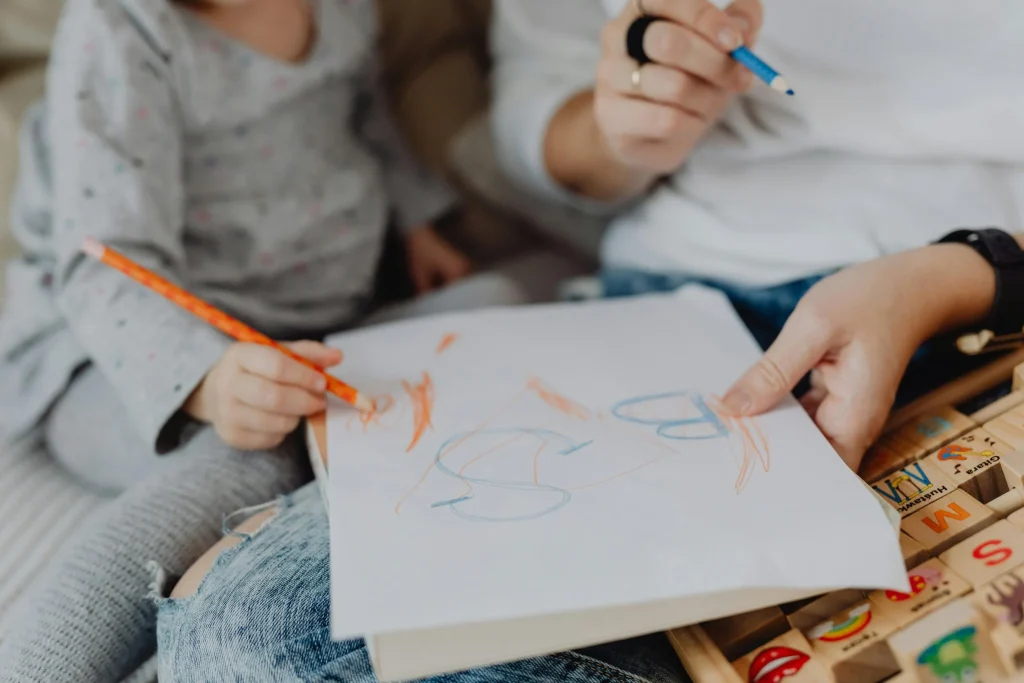
Child drawing on paper while an adult gently guides their hand

‍When I was a school-aged child, I can remember asking my mother to support me as I learned cursive writing. I wanted to learn because I loved pretty writing. As an amateur artist, I still enjoy creating artful lettering and practicing simple calligraphy with colorful inks.

What I didn’t fully appreciate as a young child was how important active play experiences would be to help me build the skills I would later need to write. There is a long progression to writing that starts with mark-making and progresses as they watch adults make purposeful shapes. Usually, we see random scribbling beginning when children are a year and a half to two years old. After that, toddlers may imitate vertical and horizontal lines and beginning circles that you show them how to draw. By preschool, children may draw lines and circles on their own and start to imitate a cross shape, squares, and diagonal lines. Around school age, young children may be able to draw a “X” shapes and triangles. From there, they will likely be able to form letters and show a preference for writing with their left or right hand. ‍

Each of these steps stem from skills that are built earlier in life. For very young children, pre-writing skills can include strengthening their hands, building the upper body strength to sit upright, learning to reach across their body, and developing good hand-eye coordination. ‍

Here are five ways to support pre-writing at home: ‍

1. Build Fine Motor Skills and Hand Strength. Pre-writing skills require strong finger and hand muscles, as well as hand-eye coordination.

  • Kneading, rolling, and squeezing play dough and clay strengthens fingers and wrists.‍ ‍

  • Have children use tweezers, tongs, or clothespins to move items like cotton balls or beads.

  • Use beads, pasta, or cereal to practice hand-eye coordination and fine motor control through threading or lacing. ‍

  • Encourage cutting out shapes or pictures with scissors from magazines, which improves hand strength and coordination.

2. Provide Posture and Tool Support. Make sure that children can sit upright with stability, and use the writing implements they are given properly.‍ ‍

  • Ensure your child has a stable, comfortable chair where their feet can touch the floor, with their back straight.

  • Using smaller, broken crayons forces children to use a proper “tripod” grip with their fingers rather than their whole hand.

  • Tape paper to the wall or use an easel/chalkboard. Writing on a vertical surface strengthens shoulders and wrists.

3. Promote Mark-Making and Drawing. Encourage early “writing,” which often starts as scribbling and drawing. 

  • Let children draw in sand, shaving cream, salt, or flour trays to practice making lines and shapes during sensory play.

  • Allow children to “paint” fences with water or draw with sidewalk chalk, which builds muscle memory for writing letters.

  • Provide thick markers, chunky crayons, and colored pencils to encourage different grips and mark-making.

  • Use tracing workbooks, dot-to-dot activities, or trace over shapes made with glue to develop control.

4. Encourage Early Letter Recognition. Adults can support children to recognize the alphabet and start to practice making letters.

  • Focus on helping them learn to write the letters in their own name. Start with the first letter of their name and have them find it in their environment.

  • Encourage making letters out of playdough, pipe cleaners, or tracing them in sand for a multisensory experience, and then reading them back.

  • Use alphabet magnets, games, or point out letters in the environment to make learning letters and other shapes fun.

  • Label objects around the house to increase letter recognition.

5. Encourage Daily “Writing” and Literacy. Show children that writing has a purpose and is used in everyday life.

  • Create an “Office” by setting up a dedicated space with paper, envelopes, notebooks, and writing utensils.‍ ‍

  • Have children help write shopping lists, fill out forms, or write birthday cards. ‍

  • Buy a special notebook for your child to draw or “write” in daily.

  • Invite your child to dictate stories, which you can write down to help them understand the connection between speech and writing.

At a time when many of us adults type on the computer or use screens for daily tasks, try to show children examples of when physical writing has been helpful in your life, such as journaling, making a to-do list, or leaving a message for a family member. Make sure and write in front of them. When your child watches you write and has access to their own writing and art materials, they will feel encouraged to practice writing, too.

‍If you have any concerns about the development of your child, there are resources to support your family. For children in Lane County, Early Childhood CARES or Connect the Dots may be able to help with early intervention and pediatric therapy. Kid Sense offers a lot of great information in their Writing Readiness (Pre-Writing Skills) webpage that covers pre-writing skills by age, potential challenges, and when to seek support from a local occupational therapist or health care provider.

‍ Resources:

‍ Here are more fun ideas for supporting pre-writing skills:

28 Pre-Writing Activities for Preschoolers

7 Fun Pre-Writing Activities for Preschoolers ‍

Preschool Pre-Writing Skills

5 Creative Activities That Help Develop Pre-Writing Skills

The Gifts that Keep on Giving

Girl stacking a tower of colorful wooden blocks

I was recently at an event where a child was handed a toy. They asked an adult, “What does it do?” This was a reasonable question when there are so many toys that only seem to do one thing. And when toys only do one thing, children tend to lose interest quickly. More than anything, children require novelty for skill building.  So consider offering open-ended toys: items and materials that have nearly unlimited potential for what they can do when the opportunity arrives. In contrast to closed-ended toys, these are more versatile and allow for child-led, creative, and imaginative experiences with no predetermined rules or outcomes.

Ideas for Open-Ended Play

Building and Construction: For children who enjoy building and construction, some great options include wooden blocks, Lego, magnetic tiles or marble runs. What makes these open-ended is that they are reusable and can be configured in different lots of different ways. Keep in mind that purchasing full sets is unnecessary – the building blocks are the essential element for open-ended play. Natural materials and recyclables also make for good building supplies. Cardboard boxes, toilet paper tubes, plastic lids or twigs, stones, shells or large leaves are all excellent choices for loose parts that can be assembled or crafted into something new. It’s helpful to have designated spaces for construction and deconstruction activities.

Imagination and Dramatic Play: Open-ended play isn’t limited to construction sites. It can also come from the imagination or dramatic potential an item has. Can it be used to tell a story? Play kitchens (indoors or outdoors) and play food, dollhouses, small animals or figures, tea sets, play silks, animals, dolls, wooden bowls, spoons, pots and pans, baskets, safe containers, or other materials that can be used to extend the play experience. Role-playing outfits, accessories, and household props can bring in additional elements for dramatic play.

Art Materials and Sensory Supplies: Art supplies and sensory materials offer outlets for creative play, self-expression, and skill development. Playdough or clay and accessories, kinetic sand, paint, sensory bins, natural materials, ribbons, beads, buttons, craft sticks, yarn, paper, markers, and crayons. Keep in mind that children need encouragement to enjoy the process and explore colors, textures, and materials and not be concerned with a specific product. All they need is the space and ability to be messy and express themselves freely.

Games and Activities: Adults can also encourage games and open-ended activities that support movement and fun for children that require few if any materials. These might include Simon says, freeze dance or tag, bubble chase, animal walks, hopscotch, scavenger hunts, bean bag toss, obstacle courses, fort building with blankets and cushions, Red Light Green Light, hide and seek, or I Spy. Also, balls can be used in many ways and are often a hit with children. Feel free to draw from your own experiences and be sure to ask other adults for their ideas.

Through their open-ended play, children learn and develop many physical, emotional, and mental skills that they can build on throughout their lives. More than anything, open-ended play allows children long periods of unstructured time to get bored and shift into discovery mode, bringing forward their creativity and imagination.

Additional Resources

Check out this article by Katy Andewrson, “Loose Parts is the Real Brain Booster That Fancy Toys Pretend to Be” to learn more about the benefits of open-ended play.

This set of books on “Loose Parts” through Redleaf Press offers excellent information and beautiful photography. These can also be purchased separately at other booksellers.

For some examples of open-ended art, please read The Power of Open-Ended Art: Sparking Creativity in Preschoolers by Creative World School or The Best Kids’ Art Ideas for 2025 by Jean Van’t Hul.

The Power of Picture Books

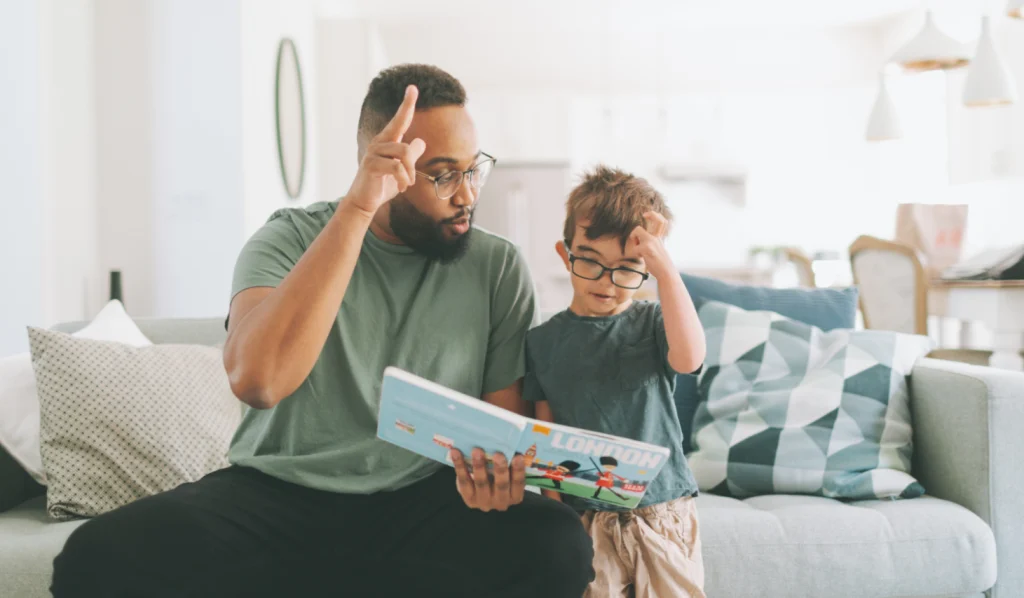
Father reading a picture book with his young son on the couch

My family teases me about my vast collection of picture books. They say I can open a library out of our home. I give picture books as gifts to recipients of all ages.

They are works of art! Literally! I am constantly amazed at the artistic skill of the illustrators. The authors magically make the readers feel inspired, cozy, seen, happy, and mighty in just 32 pages.

Behold, the Picture Book 

Mac Barnett was recently named the National Ambassador for Young People’s Literature. This prestigious appointment comes with an opportunity to choose a platform on which to focus for the tenure. Barnett named his theme, Behold, the Picture Book! Let’s Celebrate Stories We Can Feel, Hear, and See, to elevate the status of these texts.

When we take a moment to consider the talent required to create a book that makes the reader feel so deeply and to acknowledge the special rituals that often surround snuggled-up book reading time, the word “behold” is perfect. These books have become beloved by children.

As Barnett says in an interview with NPR, “The picture book is my favorite art form. It’s such an incredible, vibrant, exciting, forward-looking, experimental art form.”

Rebellious Read Alouds 

OPEC’s Training Academy hosted former kindergarten teacher and author, Vera Ahiyya, to discuss her book, Rebellious Read Alouds and the power of picture books. She shared staggering statistics about diverse representation in picture books.

Animals are the 2nd most popular primary character, and Ahiyya said children are less likely to emulate book behavior from an animal character than they are from a person. Learning valuable lessons from books would have a larger impact if the characters were people.

Ahiyya reiterated the importance of reading “mirrors, windows, and sliding doors” books, an idea coined by Dr. Rudine Sims Bishop. Dr. Bishop suggests that we need all three types of books. Mirror books reflect the reader’s experience; they see themselves in the story. Window books help the reader see into other worlds. Sliding glass door books help the reader enter into another world through empathy.

Finding a “Just Right” Book 

As a classroom teacher, I loved the challenge of matching the perfect book to a student. Learning a student’s interests and reading ability, thinking through my favorite stories, and handing a child a book they loved was highly fulfilling.

I love seeing a kid who is learning to read and cautiously sounding out words, laughing at the book in their hands instead of throwing it down in boredom or frustration. Our school and public librarians create magical storytimes and community outreach events that help libraries become important “third places” for children and families.

“If we think that children’s books are anything less than real literature, it’s because we think kids are something less than real people. If we believe they’re real people, then they deserve good art.” – Mac Barnett

Resources to find high-quality children’s books:

American Indians in Children’s Literature 

Award Winning Books

Caldecott Award Winning Books

The Horn Book

Newbery Award Winning Books

School Library Journal Contenders for Awards

Little Stories that are Worth Our Attention

Parent and child walking hand in hand along the beach at sunset

As humans, our everyday experiences make up our lives. Often, we spend our time and attention focused on the big stories or major moments in life. Think of these like waves in the ocean, rising and falling one after another and carrying us along with them. But all the while, it’s our little stories of minor moments that capture the depth and breadth of life. These ripples are what create the shimmer and sparkle over the water that surrounds us.

Over the last few days, I made a list of a few of the little moments that made up my lived experiences.

  • Watching a swallowtail butterfly landing briefly on meadow flowers.

  • Enjoying how my son dangles a feathered toy on a stick to engage playful kittens.

  • Contemplating the phase of the moon and constellations as the night comes.

  • Inhaling the sweet smell of roses in the local rose garden.

  • Savoring a cup of Earl Gray tea with cream and local honey.

When we pay close enough attention, curiosity, wonder, awe and delight can be found everywhere at any time. And, luckily for us, parenting and teaching allow adults to bear witness to many hours of lived experiences for the children close to them.

Creating safe spaces and opportunities to observe and share thoughts and feelings shows how our everyday experiences are valued. What inspires you? What inspires your child?

To practice, make a list each day of at least ten moments that caught your attention. Some people keep a journal, fill a jar with slips of paper, or make notes. Capture your precious – and simple – observations with short stories, anecdotes, pictures, sketches, or video recordings. I invite you to gather your little moments in a way that best fits your preferences and give it a try. If it works for you, that’s great; it might work for your kiddos, too.

You can support your children’s early journaling by offering them paper and art materials to document their experiences through writing or drawn images. For very young children, adults can write down what the child dictates. The end of the day is often a great time for reflection and capturing these little moments, and it supports a positive rapport between the child and adult and builds greater capacity for connection.

Gratitude and mindfulness go hand in hand, because they’re both about raising our awareness and becoming more present to the meaningful little moments in our lives. A simple practice that we can use to support mindfulness is called the 5-4-3-2-1 technique, which includes taking several deep breaths and then tuning into our environment through our five senses.

First, take three slow belly breaths.

List 5 things you can SEE

List 4 things you can FEEL

List 3 things you can HEAR

List 2 things you can SMELL

List 1 thing you can TASTE

Lastly, take another three slow belly breaths.

Being grateful and present with our children is a gift for us all. Children often require us to slow down and take note of the many little moments. Perhaps the glacial pace of a fully lived moment is an antidote to the frenzied pace of modern life.

Resources

Want some inspiration on capturing the beauty of nature and cultivating gratitude? Louie Schwartzberg offers us a beautiful reflection through his story and deeply touching video images in the TED Talk on Gratitude.

To learn more about gratitude and related activities that parents and teachers can do with children and adolescents, please check out the links below.

1.     Positive Psychology shares their 20 Gratitude Exercises and Activities to Boost Well-being.

2.     At We are Teachers, adults who support elementary and middle-school children might want to explore the 36 Meaningful Gratitude Activities.

3.     Pathway to Success offers 30 Gratitude Activities for Children and Teens


Outdoor Family Fun

Mother and young child sharing an affectionate moment outdoors on a country path

Although sunshine is a lovely backdrop for summer fun, many children don’t mind a little rain either. Children are usually their happiest outside, exploring among grass and trees. And while many of us adults may prefer to watch rainy days from inside, puddles usually only add to the fun for young ones. Be prepared with appropriate outdoor clothing that is durable and weather-resistant and watch the magic unfold!

There are lots of developmental benefits that come with outdoor play, making the effort worth it almost every time. The emotional, mental, physical, social, and behavioral health of children is fortified in natural settings. We see a marked increase in overall well-being, stress relief, resilience, restoration, emotional regulation, and mood enhancement when children have plenty of time outside. Their general health and immune function often improve with fresh air and sunshine. We often see children eating and sleeping better.

Active participation in outdoor play leads to better motor functioning. While staying inside on screens all day may improve kids’ gaming reflexes, time spent outside hones their real reflexes, benefiting their physical skills, strength, and coordination.

We also witness a boost to self-esteem, confidence, and agency. When children are engaged in fun outdoor activities they show heightened attention, attention restoration, memory, creativity, problem-solving, language development and executive functioning with mental control, self-regulation, and decision making. For school-aged children, academic functioning and attitudes toward school can significantly improve with more recess and outdoor experiences.

“The best classroom and the richest cupboard is roofed only by the sky,” says Margaret McMillan.

Parents and teachers often wonder how much time outside is enough. The simple answer is as much as possible. Several hours a day would be highly beneficial, and more is better. In the book, ‘Last Child in the Woods,’ author Richard Louv coined the term ‘nature-deficit disorder,’ which is a condition that may have serious implications for children who lack a connection with nature. Disconnection to the natural world has been linked to diminished sensory experiences, attention difficulties, obesity, vitamin D deficiency, increased aggression, higher rates of anxiety and depression, poor grades, reduced coping skills, higher levels of stress, and overall lower sense of well-being. In other words, time in nature is essential for health and wellness.

How can we do better? When adults place value on aesthetics, organization, thoughtfulness, provocation, communication, and interaction, children can learn a lot from being in the outdoor environment. The more care and attention paid to organizing the space

outdoors, the more this time can stimulate the imagination, creativity, exploration, discovery, engagement and sense of wonder for young children.

If you are looking for ideas, here are some ways to increase outside activity:

• Include children in gardening by planting seeds and nurturing plants, which supports their understanding of life cycles and teaches responsibility. Children may be more interested in eating vegetables that they had a hand in growing.

• Plan high-activity games with play equipment such as balls, bats, jump ropes, hurdles, tunnels, balance beams, targets, bean bags, balls, or hoops. Develop obstacle courses. Mark playgrounds with mazes, hopscotch, snakes & ladders, or other games. Support them to explore areas where they can climb, swing, move, and take reasonable risks to learn what they are capable of.

• Provide access to natural materials such as water, pinecones, stones, sticks, shells, sand, grass or flowers. Nature walks can be an engaging way to gather found treasures. Mud kitchens are hours of fun!

• Assure activities are enjoyable for the individual needs of children and adapt the spaces, as needed.

In the TED Talk, ‘The Best Kindergarten You’ve Ever Seen,’ Takahuru Tezuka shows us the benefits of designing indoor/outdoor spaces that are developmentally appropriate for young children.

Need some fun ideas to do with children? Check out the 50 Nature-based Outdoor Play Activities for Early Childhood Development compiled by Stepping Stone Childcare and Early Developmental Centers.

The Early Learning Hub of Lane County has a lot of resources at their link for Fun Family Activities & Lane County Activity Calendar.

Have fun!

Supporting Creative Expression through Process Art

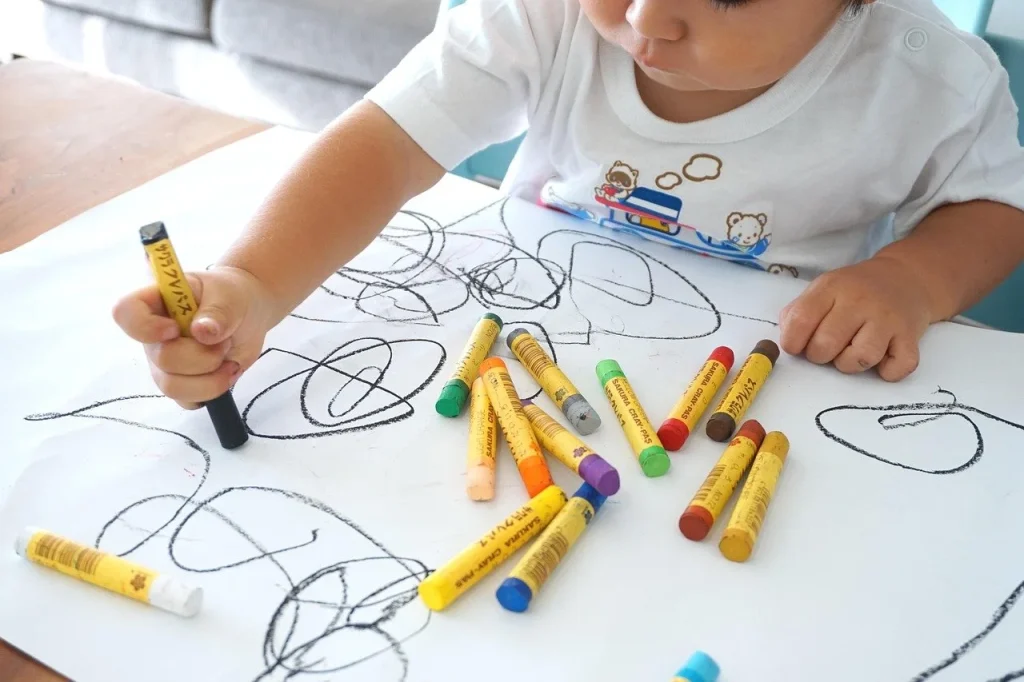
Child's hand drawing colorful scribbles with a handful of crayons

Creative activities can be a joyful experience for young children. The child can focus on creating, examining materials, and developing skills. Young children benefit from creative opportunities that allow unstructured time for exploration and self-expression. This approach encourages creativity, fine-motor development, planning, critical thinking, problem-solving, communication, imagination, emotional expression, and relaxation.

Often, the best way to encourage children to engage in process-focused art is for adults to offer a variety of materials and see what happens. Examples may include painting, sensory art activities, construction, design, clay, weaving, beads, stamps, collage, or drawing. Allow the child to come and go from their art, providing plenty of time for children to explore. For supplies, consider nature objects, recycled materials, loose parts, glue, scissors, paper, markers, paints, homemade dough, cloth, string, and other interesting materials.

Even as your young artist directs their own experience, adults can contribute by asking open-ended questions based on what they see the child doing. Open-ended questions are inquiries that do not have a simple “yes” or “no” response. Instead, they prompt children to think about their process, try to explain in their own words, and consider encouraging next steps they can to try out.

Can you think of another way?

What might you try instead?

What can you tell me about…?

What does it remind you of?

What does this make you think of?

What would happen if…?

What do you think would happen if…?

How did you think of that?

What can you tell me about the things you have?

What are you going to do with that?

Can you show me what you could do with it…?

Is there anything else you could use?

Process art is different from project art, which is adult-led, has guidelines and instructions, and usually only one outcome or final product in mind. Process art emphasizes expression, experimentation, and exploration. By providing a variety of materials and lots of time, the child can focus on their experience and create whatever they want, which is valuable for increasing confidence and autonomy.

Need some fun ideas for process art with young children? Check out what children’s librarian Jaime at LearnPlayRead offers on her website. Merri Cherry also has 50 activities for kids that you might get some inspiration from. One of my favorite activities is Play-Doh in a variety of colors. Need a recipe for a no-cook version? Check out Laura Tuck’s recipe on the Inspire My Play website.

If you are feeling left out, remember that process art is not just for littles! Try out some fun exploration with materials yourself!

“You are an explorer. You understand that every time you go into the studio, you are after something that does not yet exist.”
― Anna Deavere Smith, Letters to a Young Artist

Supporting Young Boys so They Grow and Thrive

Three young children crouching outdoors, looking at something in a garden

Supporting Young Boys so they Grow and Thrive

We want all children to thrive in early childhood, but boys have biological and cultural differences that need special consideration. Let’s examine the unique needs of young boys, specific challenges that may arise if their needs go unmet, and positive strategies to support exploration, activities, and reduce struggles.

It is important to recognize that there is a wide range of individual differences and variation within each gender. Cultural norms and social expectations can also influence how young children behave and develop. But if we spend enough time around groups of children who are of the same age, we may observe some trends that show how the girls communicate verbally and manage their feelings sooner than the boys.

Boys may have feelings when upset that are externalized (such as impulsivity or anger) while the girls may internalize their feelings (like sadness or anxiety). You may find that the boys are busier and more physically active, take greater risks, build and destroy structures using the materials at hand, seek messy exploration, and can have a harder time sitting still. (An article by Zero to Three offers additional information on some of the interesting differences in brain development for boys and girls.)

Young boys do better when they are enjoying themselves and actively learning through play. Boys who are involved in highly engaging activities are more focused, persistent, emotionally regulated, prosocial, and able to communicate better with their friends than boys left without adequate stimulation or support. When adults follow the boys’ priorities and interests, they will witness fewer behavioral challenges and more meaningful participation in their daily activities and routines. (Stewart Brown is a pioneering researcher who tells us in his TED talk that play is more fun and necessary for physical and emotional health.)

If caregivers are committed to meeting the needs of young boys, there are many strategies that may benefit them. Here are seven effective approaches below.

1. Supporting boys’ need for active play experiences should include heavy work, open-ended materials, reasonable risk-taking, unstructured play, movement and frequent time outdoors.

2. Boys also need support for learning effective problem solving, coping with failure, safe ways for calming down when upset, maintaining good boundaries, peaceful conflict resolution, and “loving limits” for behavior.

3. Quiet and calming activities can be nurturing for young boys. Find children’s books on topics they love, play soft music, allow forts and hideaway areas, and provide varied materials for using their hands.  When a young child is stressed, we can support them through deep breathing, grounding practices that feel soothing, and designated areas to calm their body, mind, and emotions.

4. Young children need more frequent rest and refueling opportunities, which should include a well-balanced diet, clean drinking water, adequate sleep, and good hygiene for teeth and bodies, and regular medical care and developmental check ups.

5. Boys’ social and emotional needs can be supported by encouraging empathy and taking the perspective of others. Adults can cultivate a reverence for life by having boys care for plants, insects, or animals. We can offer hugs and encouragement whenever needed.

6. Young boys also benefit from close adult males who can show them through words and actions what to do, modeling expected behaviors.

7. Perhaps most of all, young boys need relationships with caregivers who provide adequate time for them, loving attention, lots of affection, and positive guidance that focuses on their strengths, needs, and interests.

Overall, young boys need trustworthy adults using developmentally appropriate expectations and positive discipline to guide them. Boys also need supportive environments that encourage them to grow in healthy ways that align with their need for autonomy and initiative. When they have these supports they can truly thrive!

The Power of Play

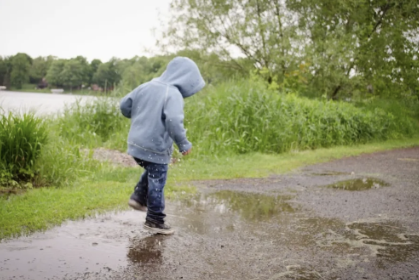
Child in a rain jacket jumping in a puddle along a path

En Español

While babysitting recently, the 15-month-old was a little wary at my arrival. Once I started reciting “This Little Piggy” on her toes, she broke into a giant smile, and we were good friends. Play helps build social skills, emotional well-being, physical development, and literacy. When I’m around small children, I love the opportunity to be silly and giggle together, but I don’t cultivate as easily it in my own life.  Not only do we need to help our children find more opportunities for unstructured play, we can benefit from creating these experiences for ourselves as adults.  Playing will help us navigate stresses in our world. When we play, we can inspire joy and playfulness in the children and families around us.

Play builds physical and literacy skills

Playing children will create storylines, build language, and act out stories, which all impact their literacy skills positively. Most importantly, we are building relationships when we play together. The National Literacy Trust reports “Play supports a variety of skills, physical, gross and fine motor, which will also support writing. Active play promotes muscle development, develops imagination and communication skills, and helps coordination and overall health.” When children play together, they learn subtle physical and social boundaries and problem-solving skills, fostering a sense of connection and engagement.

Protect playtime

Much great imaginative play sprouts out of boredom. If tablets and phones are handy, we are more likely to reach for those instead of creating some of our fun. To ensure children have time for unstructured, freely chosen play daily, pediatricians recommend that families limit screen time. “The younger the child, the less time they should be using digital devices,” writes NI Direct UK.

The Play for Parents Guide by Playboard Northern Ireland writes, “Don’t be tempted to use screens to distract children or to keep them quiet – talk to your children, play games, or look at a book instead.” We can play fingerplays or rhymes while waiting in line or at a restaurant, sing songs, or ask 20 questions. Often, kids (and grown-ups alike) might get a little cranky near the end of the day if they don’t have fun playtime breaks throughout.

Outdoor Play

Nature and outdoor play have a host of health benefits for all of us. Being outside naturally calms our bodies’ stress responses, reassuring us of our well-being. Children will learn the wonder and magic of nature, which will help them to grow into adults who value the environment. The concept of kindergarten, started by German Friedrich Froebel centuries ago, had a basis in nature and gardening – hence the name kindergarten – a garden for children. Seasonal play keeps engagement higher with changing environments. Summer play might involve sprinkler runs and winter snowball fights.

Prioritizing playful moments can benefit all of our lives. We can feel more present and connected with the children in our lives and ensure that our to-do lists are not controlling our lives. We can create a life by dancing in the kitchen, laughing when the puppy tries to catch the bubbles we’re blowing, and sledding down the hills together.

Resources

Free Range Kids by Lenore Skenazy

No Child Left Inside

Play by Stuart Brown, M.D. and Christopher Vaughan

Play Matters – full of many ideas for play

Power of Play by David Elkind

Power of Play and Optimism – October 2024 OPEC training with Steve Gross (for OPEC affiliates)